
Construction payment visibility
Construction supply chain payment visibility
Keep project money connected to the obligations that move the build forward.
Construction supply chain payment visibility is not simply knowing that a payment was made. It is being able to see how project funds remain connected to approved work, verified participants, submitted claims, approved invoices and the obligations still outstanding against the build.
PayLocker is Australia's construction payment integrity platform. Project funds are received into a project-specific environment and released through a controlled pathway aligned to approved progress and approved obligations — so each party can see the payment information that belongs to their role.

The visibility gap
Why construction payment visibility matters
A build can look completely on track and still be financially opaque. The frame is up, the stage has been certified, the stage payment has been made — and everything has proceeded correctly. What remains difficult to see is what happened next.
Staged payments determine when money enters a project. They are largely silent on how that money is then allocated across the obligations it was priced to cover. Once project money arrives in a general business account, it sits alongside working capital, obligations from other projects, wages, overheads and procurement that may run weeks ahead of the next drawdown. The connection between a specific dollar and a specific project obligation stops being something anyone can readily observe.
This is a structural characteristic of the traditional payment model, not a comment on how builders behave. Good builders carry this burden every day, and they carry it with very little assistance from the systems around them.
The result is that physical progress and financial position drift apart. A project can be visibly advanced while variations remain unresolved, invoices remain unapproved, suppliers remain unpaid and future funding requirements remain unclear to everyone except the person holding the ledger.
Every party downstream then works from partial information. The homeowner knows a stage was paid, but not what it covered. The supplier knows an invoice was issued, but not whether it was approved. The contractor knows the work was done, but not where the claim sits in the queue. The builder absorbs the difference — and spends real administrative hours answering questions a better-structured system would answer on its own.
Traditional payment model
Connection weakens at each stepConnected payment model
Connection preserved and recordedInformation gain
Construction payment is obligation flow, not simply cash flow
Cash flow is a treasury concept: money in, money out, timing, balance. Applied to construction, it quietly misses the defining characteristic of the money involved.
A construction stage payment does not arrive as free capital. By the time a frame stage is certified, the frame has been supplied, delivered, erected and supervised. Much of the money entering a project is already committed to:
- subcontractors and trades
- suppliers and materials
- procurement and delivery
- supervision and site management
- approved project obligations already incurred
The traditional difficulty is not that money is missing. It is that the connection between money and obligation becomes hard to see. Once payment is understood as obligation flow, the question changes: not where did the money go? but did the money stay connected to the obligations it was meant to satisfy, and can the right people see that connection?
Permissioned visibility
Visibility across the construction supply chain
Visibility in construction cannot be all-or-nothing. Commercial confidentiality is not an obstacle to transparency — it is a condition of it. Each participant sees the payment information relevant to their role, and nothing beyond it.
- Clearer visibility of project funds and payment status
- Approved progress claims and release status for their project
- Greater confidence in project payment discipline
- Less pressure to act as the project bank
- Better visibility of obligations and payment administration
- Control of project delivery stays with the builder
- Clearer claim status from submission to payment
- Visibility of the approval and payment pathway
- Stronger payment records for their own work
- Clearer understanding of approved payment status
- Visibility across the project payment pathway
- Better records for reconciliation
Payment outcomes remain subject to project funding, contractual entitlement, approval and platform rules. PayLocker is designed to make the payment pathway and its status visible; it does not guarantee any payment outcome.
The pathway
From project funding to payment record
Six steps replace an informal, reconstructed process with a structured, observable one.
Project funds
Funds are received and remain connected to a specific project rather than entering general business cash flow.
Verified participants
Participants are identified and associated with the project — entity details, role and nominated account.
Quotations & claims
Project obligations are documented against the project, with supporting evidence where required.
Approval
Claims and obligations are reviewed and approved by the responsible party, recorded as a distinct step.
Controlled payment
Payments follow the agreed project payment pathway and the funds available to the project.
Record & visibility
Payment activity, outstanding balances and supporting records remain visible to entitled parties.
Illustrative example
What construction payment visibility can show
Read together, these signals describe something quite different from a payments dashboard: a governed relationship between funding and obligation, maintained across time.
Claim status
Where a claim sits, without having to ask
The gap between submission and payment is usually filled with follow-up calls that cost time on both sides and produce information that is out of date the moment it is given. Visibility into payment status replaces that uncertainty with a fact about where things stand.
Submitted
The claim or invoice is lodged against the project.
Under review
The responsible party is reviewing the claim and supporting evidence.
Approved
Approval is recorded as its own event, with the approved amount visible to the claimant.
Awaiting payment
The approved obligation sits in the payment sequence for the project.
Paid
Payment is recorded, with receipts and any remaining balance retained.
Earlier information
Payment visibility can reveal project pressure earlier
Because obligations and available funds are usually tracked in separate places, financial pressure on a project tends to appear first as a symptom — a slow payment, a delayed delivery, a supplier tightening terms — rather than as information. A project can look physically advanced while carrying unresolved financial obligations.
Green — aligned
Available funds and approved obligations remain reasonably aligned against recorded progress.
Amber — pressure
Costs, variations or approved obligations are beginning to pressure the project's funding profile.
Red — intervention
Remaining funds may be insufficient for outstanding obligations, and a conversation between the parties may be required.
These indicators are designed to support visibility and earlier conversations. PayLocker does not prevent project failure, insolvency or dispute, and nothing on this page should be read as a claim that it does.
Two kinds of progress
See more than physical progress
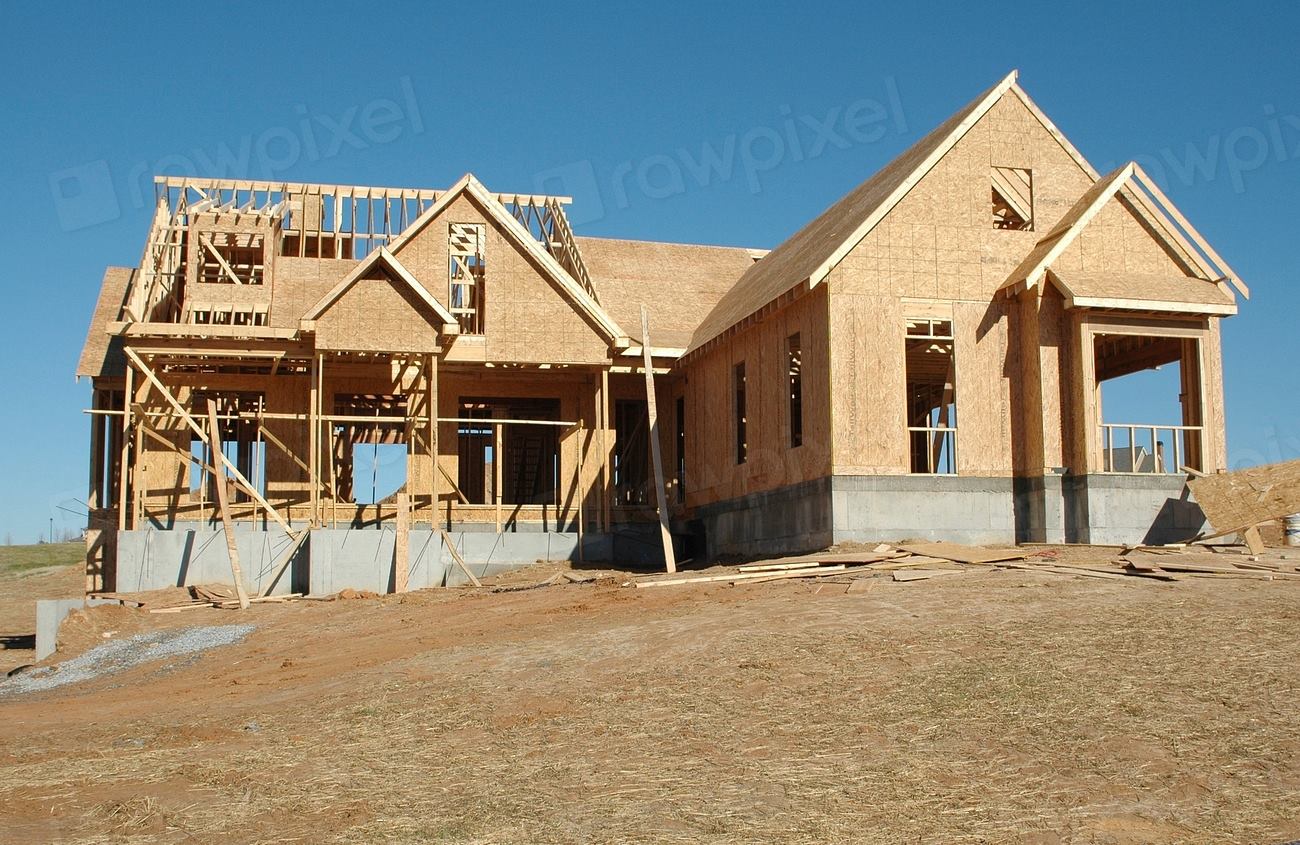
Physical progress tells you what has been built. It is visible to anyone who walks the site, and it is the measure most projects are judged by.
Payment visibility tells you something the site cannot: what has been approved, what has been paid, what remains outstanding and what is still required to complete the remaining obligations. The distinction matters, because a project can be physically well advanced while its financial obligations remain unresolved.
Physical progress
What has been built, and what has been certified.
Payment visibility
What has been funded, approved, paid and still owed.
Contractors & suppliers
A clearer payment pathway for the supply chain
The recurring difficulty for the parties at the end of the chain is rarely a dispute. It is silence. An invoice goes out, and then nothing — no confirmation of receipt, no signal that it has been reviewed, no view of where it sits relative to other obligations.
Within a project-linked pathway, contractors and suppliers can see the information relating to their own work and their own claims, without seeing another party's commercial position. Payment remains subject to project funding, contractual entitlement, approval and platform rules — but uncertainty is replaced with information, which is what most contractors and suppliers need in order to plan, price and extend terms with confidence.

Quote
The commercial position is recorded against the project from the outset.
Claim
The invoice or progress claim is submitted against that project.
Review
The responsible party reviews the claim and supporting evidence.
Approval
Approval is recorded as its own event, with the approved amount visible.
Payment
Approved obligations are processed in the approved sequence.
Record
Receipts, records and any outstanding balance remain available.

Builders
Give builders visibility without taking control away
Good builders should be building — not carrying the entire project's payment burden.
Builders are not the reason payment visibility is difficult. They are the party currently absorbing the cost of its absence: funding the timing gaps between certification and delivery, fielding status questions from every direction, and reconstructing the project's financial position by hand whenever anyone asks.
- Programme, scope, variations and supervision remain the builder's, unchanged
- Routine status questions are answered by the system rather than by a person
- A recorded pathway from claim to approval to payment is evidence of payment discipline
- Approved, committed and outstanding amounts are visible against the project
- Suppliers and trades who can see status are better placed to price and supply
Homeowners
Greater confidence for homeowners
Building a home is one of the largest financial commitments most people make, and the payment side of it has traditionally been the least visible part. Clearer visibility is not about doubting the builder — it is about both parties working from the same picture.
- Project funds contributed to the build
- Approved progress claims and what they relate to
- Payment release status against approved obligations
- Approved invoices connected to the project
- Variations and how they alter the financial position
- Remaining project funds and outstanding obligations
Visibility is permissioned. Homeowners see the payment information relating to their own project, not another party's commercial position.

Connected record
One project. One connected payment picture.
Funds, participants, claims, approvals, variations, payments and records are held against the same project — so a project's financial position can be read rather than reconstructed.
PROJECT — connected record
- Project funds
- Contract
- Builder
- Contractors
- Suppliers
- Claims
- Invoices
- Approvals
- Variations
- Payments
- Records
Why PayLocker
Why PayLocker for construction supply chain payment visibility?
PayLocker provides a governance layer between the stage payment and the final payment recipient — the part of the construction payment process that has historically had the least structure and the least visibility.
Project funds remain connected to the project they belong to, rather than entering general business cash flow.
Claims and obligations can be linked to supporting evidence at the point of approval.
Payments follow agreed approval and payment pathways, in the approved sequence.
Payment activity, approvals and records remain connected to the project over time.
PayLocker governs the payment side of a construction project. It does not replace the builder, the construction contract, a bank, an insurer, a regulator, project management software, or the commercial judgement of the parties responsible for approval.
Questions
Construction payment visibility: common questions
What is construction supply chain payment visibility?
Construction supply chain payment visibility is the ability to see how project funds connect to approved work, payment obligations, claims, approvals and payment outcomes across the participants involved in a build. It goes further than knowing whether an invoice has been paid.
Why is payment visibility important in construction?
Construction payments pass through several parties before reaching the work. Without visibility, contractors and suppliers cannot see the status of their claims, homeowners cannot see how a stage payment was applied, and builders carry the administrative load of answering both. Better visibility supports better decisions for all of them.
How does PayLocker improve construction payment visibility?
Project funds are received into a project-specific environment, participants are verified, claims and obligations are recorded against the project, approvals are captured as distinct steps, and payments follow the agreed pathway. Because each step is recorded, the relationship between money and obligation stays visible instead of being reconstructed later from statements, emails and phone calls.
Can builders see project payment information?
Yes. Builders can see project funds, approved and committed obligations, claim and approval status, and the information relevant to delivery for the projects they run — without having to assemble it manually.
Can contractors see their payment status?
Contractors can see their own quotes, appointments, submitted claims, approval status, payment status and any outstanding balance, along with supporting records. They do not see other participants' commercial information.
Can suppliers see payment status?
Suppliers can see their own project-linked orders and invoices, approval status, payment status, receipts and reconciliation records for the projects they supply.
Does PayLocker replace the builder or the construction contract?
No. Delivery, programme, scope, procurement and supervision remain the builder's. Entitlement, stages and obligations are determined by the construction contract. PayLocker governs the payment process built on top of those arrangements.
Does PayLocker guarantee contractor or supplier payment?
No. Payment remains subject to project funding, contractual entitlement, approval and platform rules. PayLocker is designed to make the payment pathway and its status visible, not to guarantee any payment outcome.
What happens when approved obligations exceed available project funds?
Payments are processed in the approved sequence, and partial payment can be recorded against an obligation. The outstanding balance remains visible to the party owed, and later project inflows can be applied according to the approved sequence.
How does PayLocker keep construction money connected to the project?
Funds are held against the project they belong to, obligations are recorded against the work they relate to, approvals are recorded as distinct events, and payment is released in the approved sequence. The relationship between the money and its purpose stays intact and viewable rather than dissolving on arrival.
Construction payment integrity
Keep construction money connected to the project
Bring greater visibility, structure and payment discipline to the construction supply chain.