
Why Construction Payment Protection Matters

Australia’s construction industry is facing one of the most challenging periods in its history, with insolvency rates continuing to rise at alarming speed. Builder collapses are no longer isolated incidents — they are becoming a nationwide trend affecting homeowners, subcontractors, suppliers, developers, and workers across the country. The latest ASIC insolvency data reveals that construction-sector failures have more than tripled since the pandemic lows of 2020-21. Thousands of construction businesses are now entering external administration every year, making construction the single largest contributor to company collapses in Australia. As the pressure intensifies, the industry is increasingly recognising the urgent need for stronger payment transparency, financial accountability, and smarter project payment systems. This is exactly where PayLocker is positioning itself as a modern solution designed to help reduce financial risk throughout construction projects. Construction Insolvencies Continue Climbing The numbers coming out of Australia’s construction sector are deeply concerning. According to ASIC Series 1 insolvency counts: This means construction-sector collapses have more than tripled in just a few years. Even more concerning is the fact that 2024-25 is already tracking toward another record-breaking year despite only partial annual figures being available. Construction now represents roughly 28% of all Australian company insolvencies — the highest share ever recorded. These statistics demonstrate that the problem is no longer temporary or isolated. The construction industry is facing a systemic financial crisis. Why Are So Many Builders Collapsing? Several major economic pressures are simultaneously impacting construction businesses across Australia. Fixed-Price Contracts Are Destroying Margins Many builders signed fixed-price contracts during the construction boom between 2020 and 2022. At the time, builders expected stable material costs and manageable labour expenses. Instead, inflation rapidly increased: Builders locked into older contracts suddenly found themselves completing projects at little profit — or even major losses. For many construction companies, cash flow quickly became unsustainable. Labour and Material Shortages Continue Creating Delays Australia’s construction industry is also dealing with severe labour shortages and supply-chain disruptions. Builders across the country continue struggling with: As delays increase, project costs continue rising further, creating additional financial stress inside already struggling businesses. The result is a dangerous cycle where builders experience mounting losses while projects fall behind schedule. Higher Interest Rates Are Increasing Financial Pressure The rapid rise in interest rates has created additional pressure throughout the construction sector. Higher borrowing costs now affect: At the same time, higher interest rates have reduced buyer demand in some areas, slowing new project pipelines and making cash flow even harder for builders to maintain. Many businesses that survived pandemic disruptions are now struggling under the combined pressure of: COVID Support Measures Have Ended During the pandemic, government stimulus programs, tax deferrals, and financial support measures temporarily protected many businesses from insolvency. However, those protections no longer exist. The Australian Taxation Office and creditors have resumed aggressive debt recovery actions, including: As overdue liabilities accumulate, financially stressed builders are increasingly collapsing under mounting obligations. New South Wales and Victoria Are Being Hit Hardest Construction insolvencies are particularly severe in New South Wales and Victoria. Recent state-level estimates show: Together, NSW and Victoria account for the majority of national construction collapses. These failures are not limited to small operators either. Long-established builders with multimillion-dollar projects are also struggling to survive. The Human Cost of Builder Collapses Behind every insolvency statistic are real families, workers, and businesses dealing with financial hardship. When construction companies collapse: For homeowners, the emotional toll can be devastating. Building a home is one of the largest financial commitments most Australians will ever make. When builders fail during construction, families are often left dealing with: At the same time, subcontractors frequently face their own financial stress after completing work without receiving payment. Many small trade businesses operate on tight cash flow. Delayed or unpaid invoices can create severe pressure affecting: This creates a dangerous domino effect throughout the construction supply chain. Delayed Payments Are Fueling the Domino Effect One of the major issues regulators and economists continue highlighting is delayed payment chains throughout construction projects. When head contractors experience cash-flow pressure: Eventually, one builder collapse can trigger multiple financial problems across subcontractors and smaller businesses connected to the project. This domino effect is one reason construction insolvencies continue accelerating throughout Australia. Why Traditional Construction Payment Systems Are Failing Traditional construction payment systems rely heavily on trust and upfront transfers. In many projects: Unfortunately, by the time warning signs become obvious, the financial damage may already be severe. Homeowners and subcontractors are increasingly recognising that traditional payment systems no longer provide enough protection in today’s economic environment. How PayLocker Helps Reduce Construction Payment Risk PayLocker was designed to help address many of these growing industry challenges through smarter and more transparent payment management. Instead of relying solely on trust-based payment structures, PayLocker introduces milestone-based payment protection focused on improving accountability and financial visibility throughout construction projects. With PayLocker: This helps create a more secure construction environment for everyone involved. Rather than releasing large payments blindly during projects, milestone-based systems help ensure funds are connected to real construction progress. Why Financial Transparency Is Becoming Essential The rising number of builder collapses has fundamentally changed how many Australians view construction projects. Homeowners now want: The industry itself is also recognising the importance of: Financial transparency is no longer viewed as optional — it is becoming essential for long-term industry stability. The Future of Construction Requires Better Payment Protection Australia’s housing industry continues facing enormous pressure from: For the industry to stabilise, stronger financial systems and smarter payment protection mechanisms will become increasingly important. PayLocker represents a practical and modern approach focused on: While no platform can completely eliminate economic pressure inside construction, better payment safeguards can significantly reduce unnecessary financial risk for homeowners, builders, subcontractors, and suppliers. Conclusion Construction insolvencies across Australia are rising at record levels, and the problem shows little sign of slowing down in the immediate future. The data makes it clear that the construction industry is undergoing major structural and financial pressure. Fixed-price contracts,
Bentley Homes Collapse Highlights Construction Payment Risks

Australia’s construction industry continues facing a wave of financial instability, and the collapse of residential builder Bentley Homes is another powerful reminder of the risks homeowners face during building projects. The collapse reportedly left dozens of families dealing with unfinished homes, financial uncertainty, delayed construction timelines, and emotional stress after investing significant amounts of money into their dream properties. Unfortunately, stories like this are becoming increasingly common throughout Australia’s construction sector. Builder insolvencies are rising at record levels, subcontractors are struggling with delayed payments, and homeowners are becoming more cautious about how construction funds are managed during projects. As these pressures continue growing, platforms like PayLocker are becoming increasingly important for helping improve payment transparency, financial accountability, and trust across the construction industry. Australia’s Construction Industry Is Facing Serious Financial Pressure Over the past several years, Australia’s building sector has experienced major economic disruption. Construction companies are currently dealing with: Many builders signed contracts during periods when construction costs were significantly lower. However, as inflation rapidly increased the price of labour and materials, many businesses found themselves locked into projects that were no longer financially sustainable. For some companies, shrinking profit margins eventually turned into major cash-flow problems. Once cash flow becomes unstable inside a construction business, project delays and payment issues often follow quickly. The collapse of builders like Bentley Homes highlights how fragile the construction sector has become under current economic conditions. The Human Impact Behind Builder Collapses While insolvency figures and financial statistics dominate headlines, the real impact is felt by homeowners, subcontractors, and workers. For homeowners, builder collapses can create devastating consequences: Many families spend years saving for a home build or renovation project. When a builder collapses midway through construction, those plans can quickly turn into financial and emotional hardship. At the same time, subcontractors and suppliers are often left chasing overdue payments for completed work and supplied materials. Small trade businesses can suffer serious financial pressure when invoices remain unpaid for long periods. In many cases, one major unpaid project can impact: This creates a domino effect where financial stress spreads throughout the broader construction supply chain. Why Traditional Construction Payment Systems Create Risk One of the biggest issues inside construction projects is how payments are traditionally managed. In many projects: The problem is that homeowners and subcontractors often do not realise a builder is struggling financially until: By that stage, substantial funds may already have been transferred without adequate financial protection. This lack of transparency creates major trust issues throughout the industry. Why Homeowners Are Becoming More Cautious Australia’s rising builder insolvency rates are changing how homeowners approach construction projects. People are now asking more questions about: Homeowners no longer want to rely purely on trust-based payment arrangements. Instead, they are looking for: This growing demand for transparency is one reason why payment management solutions like PayLocker are becoming increasingly relevant in modern construction. How PayLocker Helps Improve Payment Transparency PayLocker was created to help bring greater accountability and transparency into construction payments. Instead of relying solely on traditional upfront transfers, PayLocker focuses on milestone-based payment management designed to improve financial visibility throughout projects. With PayLocker: This helps create a safer and more transparent construction environment for everyone involved. Rather than blindly releasing large payments during construction, milestone-based systems help ensure project funds are tied to actual progress on-site. The Growing Importance of Payment Protection As construction insolvencies continue increasing across Australia, payment protection is becoming one of the most important parts of any residential construction project. Homeowners want reassurance that: At the same time, subcontractors and suppliers want greater confidence that completed work will be paid for properly. The industry itself is slowly recognising that traditional payment systems no longer provide enough protection during periods of economic instability. Builder Insolvencies Are Affecting the Entire Housing Market The impact of builder collapses extends beyond individual projects. Every insolvency affects: Australia is already facing ongoing housing shortages while demand for new homes continues growing. When builders collapse midway through projects, those pressures increase even further by delaying housing delivery and creating additional financial strain throughout the market. For the construction sector to regain long-term stability, stronger financial systems and improved payment transparency will become increasingly important. Why Financial Transparency Matters More Than Ever Construction projects involve large amounts of money moving through multiple stages over long timeframes. Without proper visibility and accountability: PayLocker focuses on helping improve: While no platform can completely eliminate economic risks inside construction, smarter payment management can help reduce unnecessary financial exposure for homeowners, builders, subcontractors, and suppliers. Building a More Secure Future for Construction The collapse of Bentley Homes is another reminder that Australia’s construction industry is undergoing major financial pressure and structural change. As insolvencies continue affecting projects across the country, homeowners and subcontractors are increasingly demanding safer and more transparent ways to manage construction payments. PayLocker represents a modern approach focused on: The future of construction is no longer only about completing projects on time. It is also about protecting funds, improving accountability, and creating greater financial confidence for everyone involved. In today’s construction market, payment protection is no longer optional. It is becoming essential for the long-term stability of Australia’s building industry.
Stroud Homes Northern Rivers Collapse: Families Left Homeless, Deposits Lost, and Tradies Unpaid
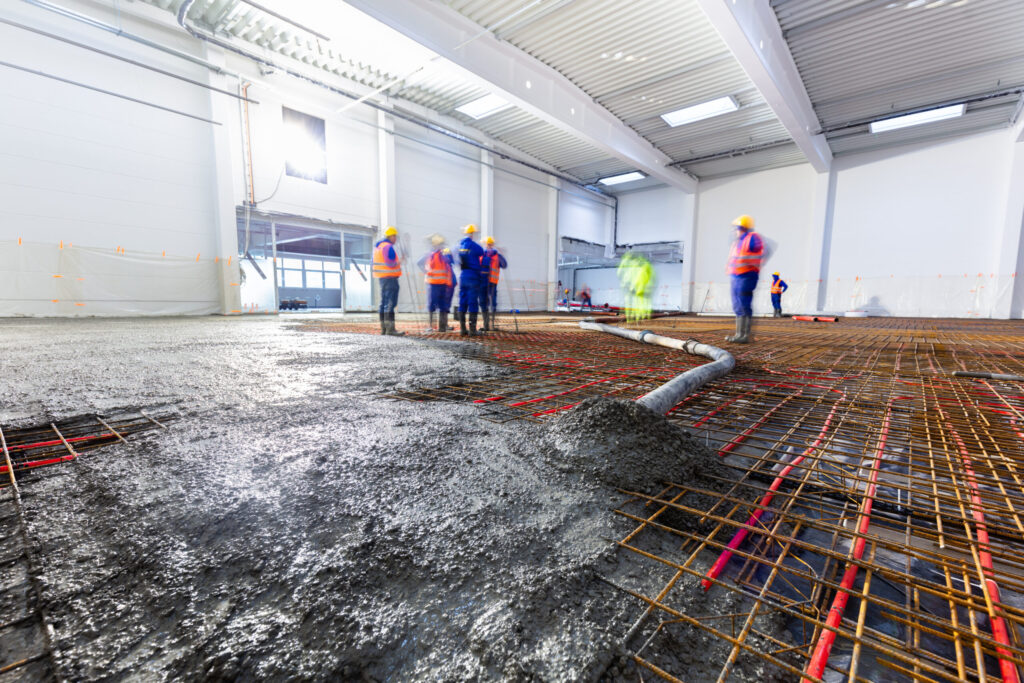
Another devastating builder collapse has exposed serious weaknesses in Australia’s construction payment and insurance systems, leaving homeowners financially and emotionally shattered. Stroud Homes Northern Rivers, trading as Ocean Shire Developments Pty Ltd and operated by Matthew Lowson in northern New South Wales, entered liquidation in May 2023. The fallout left multiple families facing unfinished homes, major building defects, uninsured deposits, and significant financial losses. The collapse has become yet another example of the growing risks facing homeowners, subcontractors, and suppliers across Australia’s struggling construction industry. Families Left Living in Caravans and Incomplete Homes The human impact of the Stroud Homes Northern Rivers collapse has been heartbreaking. According to reports, at least 12 customers had completely uninsured deposits, while liquidators confirmed that more than $500,000 in customer deposits had been collected despite little or no work beginning on some projects. Several homeowners were left dealing with severe structural issues and incomplete construction. One couple, Pauline Duffy and Cobie van Dommele, reportedly spent two years living in a caravan after major structural defects were discovered in their new home. Problems allegedly included unsupported framing, poor cladding work, and significant building defects that made the property unsafe. Another homeowner, Zoe Croft, reportedly lost her entire $94,000 deposit after being issued what was later described as a fake insurance certificate. Meanwhile, Tanya Walford allegedly identified more than 200 defects within her property, with repair costs potentially exceeding insurance limits. For many families, the emotional and financial pressure became overwhelming. Subcontractors and Suppliers Were Also Hit Hard The collapse did not only affect homeowners. Subcontractors and suppliers were also left exposed after completing work or supplying materials without receiving payment. Tradies and small businesses reportedly faced major losses while attempting to recover unpaid invoices through the liquidation process. According to reports, the company allegedly had only $2 remaining in cash when it entered liquidation. For small subcontracting businesses operating on tight margins, situations like this can become financially devastating. Many tradespeople continue working in good faith, only to discover too late that builder cash flow problems have already escalated beyond recovery. Serious Concerns Around Insurance Protection One of the most alarming aspects of the collapse involved the Home Building Compensation Fund insurance system in New South Wales. Reports suggested that mandatory insurance had not been properly obtained for numerous contracts from late 2022 onward. In some cases, customers allegedly believed they were insured when valid coverage may not have existed. Even where insurance policies were active, compensation caps were reportedly insufficient to fully complete projects or repair extensive defects. This situation has intensified concerns about whether existing consumer protection systems are strong enough to protect homeowners during builder insolvencies. A Growing Pattern Across the Construction Industry The Stroud Homes Northern Rivers collapse follows several other high-profile construction failures across Australia. Many of these cases share the same pattern: Similar concerns have appeared in other insolvency cases involving residential builders across Victoria, New South Wales, and Queensland. The industry is increasingly recognising that traditional construction payment systems may no longer provide enough protection when financial problems arise. Why Traditional Construction Payments Create Risk In many construction projects, customer funds are transferred directly into the builder’s general operating accounts. Once those funds are mixed into day-to-day business operations, they may be used across: If financial stress escalates, homeowners and subcontractors can quickly lose visibility over where project funds are being used. When insolvency occurs, recovering those funds becomes extremely difficult. This lack of transparency is one reason secure payment systems are becoming increasingly important throughout the industry. How PayLocker Helps Improve Construction Payment Security PayLocker was created to help reduce many of the risks exposed by builder collapses and payment disputes. The platform focuses on creating secure, transparent construction payment systems where project funds remain linked specifically to the job they were intended for. Dedicated Project Accounts for Greater Protection With PayLocker, deposits and progress payments are placed into dedicated digital project accounts connected specifically to individual construction projects. This structure helps reduce the risk of project funds being redirected toward unrelated operating costs or external debts. For homeowners and subcontractors, this creates stronger visibility and accountability throughout the building process. Payments Linked to Verified Milestones Payments are connected to agreed construction milestones and released only after work completion is verified. This process helps reduce disputes involving: By linking payments directly to verified progress, greater confidence can exist for homeowners, builders, and subcontractors alike. Greater Transparency for Everyone Involved One of the biggest issues during construction disputes is uncertainty around where funds are being held and how payments are being managed. PayLocker helps provide visibility for: This transparency can help minimise disputes while improving communication and financial accountability across the project lifecycle. Honest Builders Also Benefit Secure payment systems are not designed to work against builders. In many cases, reputable and financially responsible builders may benefit the most from transparent systems that strengthen client trust and subcontractor confidence. As homeowners become increasingly cautious about insolvency risks, builders aligned with secure and transparent payment systems may increasingly stand out as the preferred choice within the market. Construction Needs Stronger Trust and Accountability Despite ongoing insolvency challenges, Australia’s construction industry remains filled with skilled and ethical professionals committed to delivering quality outcomes. However, repeated collapses continue exposing weaknesses within traditional payment and consumer protection systems. The Stroud Homes Northern Rivers collapse serves as another reminder that stronger payment transparency and financial accountability are becoming essential across the building sector. For homeowners, the lesson is becoming increasingly clear: Security and transparency matter. For subcontractors, reliable payment systems are critical for business stability. And for builders, trust is rapidly becoming one of the industry’s most valuable competitive advantages. As construction continues evolving, systems focused on transparency, accountability, and secure project payments may help create a more stable and trustworthy future for everyone involved.
Christchurch Builder Collapse: Couple Loses $100,000 Deposit as Payment Security Concerns Grow

Another construction company collapse has left homeowners facing devastating financial losses, highlighting ongoing concerns about payment security within the building industry. A retired Christchurch couple reportedly lost $100,000 after paying a house-building company that later entered liquidation, leaving their dream home project in limbo and their savings at serious risk. The case reflects a growing pattern seen across both Australia and New Zealand, where builder insolvencies continue affecting homeowners, subcontractors, suppliers, and tradespeople alike. As financial pressure across the construction industry intensifies, more people are questioning whether traditional construction payment systems still provide enough protection. The Human Impact of Builder Insolvencies For many families, building a home represents years of savings, planning, and emotional investment. When a builder collapses, the financial consequences can be devastating. In this Christchurch case, the homeowners reportedly paid a significant deposit toward their new home before the construction company entered liquidation. The result was not only the potential loss of substantial savings but also the emotional distress of seeing their project stall before completion. Unfortunately, this situation is becoming increasingly familiar throughout the construction industry. Recent insolvency stories across Australia and New Zealand have shown similar outcomes involving: From Melbourne to Northern NSW and Christchurch, the same risks continue emerging whenever builders experience financial collapse. Why Traditional Construction Payment Systems Create Risk A major issue within the construction sector is the way project funds are traditionally managed. In many cases, homeowner deposits and progress payments are transferred directly into the builder’s general operating accounts. Once funds enter those accounts, they may be used across multiple projects, operational costs, wages, or existing debts. When financial pressure builds, this creates significant exposure for everyone involved. If a company enters liquidation, homeowners and subcontractors may discover there is little protection remaining for funds already paid. This lack of payment transparency has become one of the construction industry’s biggest concerns. The Industry Is Seeing the Same Pattern Repeated Across Australia and New Zealand, recent construction collapses have followed a familiar sequence: Subcontractors often suffer major financial damage as well. Electricians, plumbers, painters, suppliers, and other trades frequently continue working while waiting for payments that may never arrive. For many small businesses operating on tight margins, unpaid invoices can create severe financial stress. Why Payment Security Is Becoming More Important As insolvencies continue affecting the construction industry, demand for greater financial transparency is increasing. Homeowners now want stronger protection for deposits and progress payments. Subcontractors want reassurance that approved work will actually be paid for. Builders themselves are under pressure to demonstrate accountability and financial organisation in an increasingly cautious market. This shift is creating more interest in secure payment systems designed to improve trust between all parties involved in a construction project. How PayLocker Helps Reduce Construction Payment Risk PayLocker was created to help address many of the risks exposed by builder collapses and payment disputes. The platform focuses on creating secure, transparent project payment systems where funds are linked specifically to individual construction jobs rather than mixed into general operating accounts. Ring-Fenced Project Accounts for Greater Protection With PayLocker, project funds are placed into dedicated digital project accounts connected specifically to the construction job. This structure helps reduce the risk of funds being redirected toward unrelated expenses or external debts. If financial difficulties arise, project funds remain more transparent and traceable throughout the process. Milestone Payments Linked to Verified Work Payments are connected to agreed construction milestones and released only after work stages are verified as complete. This helps reduce disputes involving: For homeowners, this creates greater confidence that payments align with actual construction progress. For subcontractors, it provides stronger visibility around payment timing and approved work stages. Real-Time Transparency for All Parties One of the biggest problems during construction disputes is uncertainty around where funds are being held and how payments are being managed. PayLocker provides visibility for: All parties can track payment progress and project stages in real time, helping reduce confusion and improve communication throughout the project lifecycle. Honest Builders Also Benefit From Transparency Payment security systems are not designed to work against builders. In many cases, professional and financially responsible builders may benefit the most from transparent systems. Builders who embrace accountability and secure payment practices can strengthen: As homeowners become more cautious about insolvency risks, builders aligned with transparent payment systems may increasingly stand out as the preferred choice. Construction Needs Stability and Trust Despite ongoing insolvency challenges, Australia and New Zealand’s construction industries remain essential to future housing demand and economic growth. Most builders and tradespeople work hard to deliver quality projects and maintain strong relationships with clients. However, repeated builder collapses continue exposing weaknesses within traditional payment models. Improving payment transparency and financial accountability may help create a more stable and trustworthy construction environment for everyone involved. The Future of Construction Will Favour Transparency The Christchurch builder collapse serves as another reminder that financial stability within construction can no longer be taken for granted. For homeowners, the lesson is increasingly clear: Payment security matters. For subcontractors and suppliers, reliable payment systems are becoming essential for business stability. And for builders, transparency is quickly becoming one of the industry’s most valuable competitive advantages. As construction continues evolving, systems focused on accountability, visibility, and secure project payments may play a major role in rebuilding trust across the industry. Platforms like PayLocker represent part of that broader shift toward safer, more transparent construction payments designed to better protect homeowners, subcontractors, suppliers, and ethical builders alike.
Varaich Homes Collapse: 21 Melbourne Families Left With Incomplete Homes and Growing Financial Stress

Another major construction company collapse has left Melbourne homeowners, subcontractors, and suppliers facing serious financial uncertainty. Varaich Homes, trading as Harcon Developments (also known as Harcon Property Group), entered administration in 2024, leaving at least 21 incomplete homes across Victoria and multiple families dealing with major emotional and financial pressure. The situation has become another high-profile example of the growing instability affecting Australia’s residential construction sector and highlights increasing concerns around payment security, builder insolvencies, and consumer protection. Families Left With Unfinished Homes and Massive Costs According to reports, several homeowners had already paid hundreds of thousands of dollars toward their projects before construction work stalled. Many families are now facing additional completion costs, extended delays, legal uncertainty, and rising financial pressure. Among the reported cases: For many affected families, the emotional toll has been just as severe as the financial losses. Subcontractors and Suppliers Also Carry the Risk Builder collapses rarely impact homeowners alone. Subcontractors, suppliers, and tradespeople often continue working while waiting for progress payments that may never arrive once insolvency occurs. Electricians, plumbers, painters, framers, suppliers, and other small businesses can be left chasing unpaid invoices through lengthy administration and liquidation processes. In many cases, unsecured creditors recover little or nothing. This ongoing pattern continues damaging confidence across the construction industry. The Bigger Problem Facing Construction The Varaich Homes collapse reflects broader issues now affecting builders throughout Australia. The construction sector has been under intense financial pressure due to: Many builders signed long-term contracts before inflation caused major increases in timber, steel, freight, concrete, and labour costs. As project expenses increased, profitability disappeared for some companies. In certain cases, builders were effectively losing money while continuing construction work. This environment has created growing insolvency risks throughout the industry. Why Traditional Payment Systems Create Financial Exposure One of the biggest concerns within construction is how project funds are traditionally managed. Typically, deposits and progress payments are transferred directly into the builder’s general operating accounts. Once funds enter those accounts, they may be used across: When cash flow pressure builds, project funds can become difficult to track. If insolvency occurs, homeowners and subcontractors often discover there is limited protection available for money already paid. This lack of transparency is one reason many people within the industry are now pushing for stronger payment security systems. Why Payment Transparency Matters More Than Ever The growing number of builder collapses is changing how consumers approach construction projects. Homeowners increasingly want answers to questions such as: Subcontractors are also becoming more selective about which builders they work with. This shift is creating stronger demand for secure, transparent payment systems that improve accountability throughout the construction process. How PayLocker Helps Improve Construction Payment Security PayLocker was developed to help address many of the risks exposed by builder insolvencies and payment disputes. The platform focuses on secure digital project accounts designed to improve transparency and reduce uncertainty for homeowners, subcontractors, suppliers, and builders. Dedicated Project Accounts Linked to Each Build With PayLocker, deposits and progress payments are placed into dedicated project accounts connected specifically to the construction job. This structure helps reduce the risk of project funds being mixed into unrelated business operations or external debts. For homeowners, this creates greater visibility over how project funds are managed. For subcontractors, it can improve confidence that approved work aligns with protected payment structures. Payments Connected to Verified Milestones Payments are linked to agreed construction milestones and released only after work stages are verified as complete. This process helps reduce disputes involving: Milestone-based payment systems can create stronger accountability across the project lifecycle. Greater Transparency for Everyone Involved One of the biggest issues during builder collapses is uncertainty. Homeowners often do not know where project funds have gone. Subcontractors may continue working without visibility over payment security. PayLocker aims to improve transparency for: By providing clearer visibility into project payments and construction progress, disputes and financial uncertainty may be reduced. Honest Builders Benefit From Transparency Too Payment security systems are not designed to work against builders. In many cases, reputable builders may benefit the most from stronger transparency and financial accountability. Builders who demonstrate professionalism, communication, and responsible financial management are increasingly becoming more attractive to cautious consumers and subcontractors. As insolvency concerns continue affecting the market, builders aligned with transparent payment systems may gain an important competitive advantage. Construction Needs Stability and Trust Despite ongoing challenges, Australia’s construction industry remains critical to future housing demand and economic growth. Most builders and tradespeople are hardworking professionals committed to delivering quality outcomes. However, repeated builder collapses continue exposing weaknesses within traditional construction payment systems. The Varaich Homes collapse serves as another reminder that stronger payment security, transparency, and accountability are becoming increasingly important across the building sector. For homeowners, the lesson is becoming clearer: Financial protection matters. For subcontractors and suppliers, reliable payment systems are essential for business stability. And for builders, trust is rapidly becoming one of the industry’s most valuable assets. As construction continues evolving, systems focused on secure project payments and financial transparency may help create a safer and more stable future for everyone involved.
Nearly 3,000 Building Companies Collapsed in a Year

Australia’s construction industry is facing a financial crisis unlike anything seen in recent decades. Reports showing that nearly 3,000 building companies collapsed within a single year highlight the growing instability across the sector and the increasing risks facing homeowners, subcontractors, suppliers, and developers. The sharp rise in construction insolvencies is no longer limited to small builders or isolated businesses. Companies of all sizes across multiple states are struggling under enormous financial pressure caused by inflation, labour shortages, delayed payments, supply-chain disruptions, and higher financing costs. As insolvencies continue climbing, the industry is recognising the urgent need for greater financial transparency and safer payment management systems. This is where PayLocker is becoming increasingly relevant as a modern solution designed to improve accountability, payment visibility, and financial protection throughout construction projects. Australia’s Construction Industry Is Under Extreme Pressure The construction sector has become one of the hardest-hit industries in the Australian economy. Over recent years, builders have faced: Many companies signed fixed-price contracts during the construction boom of 2020 to 2022, expecting stable operating conditions. Instead, rapid inflation caused major increases in: Builders suddenly found themselves delivering projects at far lower profit margins than expected — and in many cases, at significant losses. For thousands of businesses, cash flow quickly became unsustainable. Why Insolvencies Are Accelerating The collapse of nearly 3,000 construction businesses in a single year demonstrates that the problem is now systemic. Several factors are driving this surge in insolvencies. Fixed-Price Contracts Destroyed Margins Many builders remained locked into contracts signed before inflation surged. While project costs rose dramatically, builders often could not increase prices enough to recover losses. This placed enormous strain on: For many builders, even ongoing project work was no longer generating sustainable profit. Labour and Material Shortages Continue Delaying Projects The construction industry is also struggling with: As projects take longer to complete, costs continue rising further. Delays create additional pressure on: The longer projects extend, the harder it becomes for financially stressed builders to remain stable. Higher Interest Rates Are Increasing Financial Stress Australia’s rising interest rates have added another layer of financial pressure across the construction industry. Higher borrowing costs now affect: At the same time, reduced buyer confidence and tighter lending conditions have slowed some new project pipelines. Builders are now facing both: This combination is creating serious cash-flow challenges throughout the industry. The Domino Effect Is Hurting Subcontractors One of the most damaging consequences of builder insolvencies is the ripple effect throughout the construction supply chain. When a builder experiences financial stress: Many subcontractors rely on regular payments to cover: A single builder collapse can financially impact dozens of smaller businesses connected to the same project. This domino effect is becoming one of the biggest threats facing the construction industry today. Homeowners Are Carrying Significant Risk For homeowners, builder collapses can be devastating financially and emotionally. Families building or renovating homes may suddenly face: Many homeowners pay large deposits and progress payments before problems become visible. Unfortunately, by the time warning signs appear: This lack of visibility has made many Australians increasingly cautious about how construction funds are managed. Traditional Construction Payment Systems Are No Longer Enough For decades, construction projects relied heavily on trust-based payment systems. Typically: In today’s economic environment, these traditional systems are creating growing risk. Homeowners and subcontractors now want: The industry is slowly recognising that stronger payment controls are becoming essential. How PayLocker Helps Improve Payment Transparency PayLocker was designed to help improve payment accountability and financial visibility throughout construction projects. Instead of relying solely on traditional upfront payment arrangements, PayLocker focuses on milestone-based payment management systems designed to create greater transparency. With PayLocker: This creates a more secure construction environment for everyone involved. Rather than releasing large payments without sufficient oversight, milestone-based systems help ensure payments align with actual construction progress. Why Financial Transparency Is Becoming Essential The growing number of builder collapses has fundamentally changed industry expectations. Homeowners increasingly want: Subcontractors also want stronger assurance that completed work will be paid for properly and on time. At the same time, builders themselves benefit from: Financial transparency is no longer optional inside construction projects. It is becoming essential for long-term industry stability. The Future of Construction Requires Better Protection Systems Australia continues facing major housing demand and ongoing construction activity. However, the industry’s long-term stability will depend on more than simply increasing the number of projects being built. It will also require: PayLocker represents a practical approach focused on helping create safer and more transparent payment processes throughout the construction sector. While no system can eliminate every economic challenge, stronger payment management can help reduce unnecessary financial exposure for: Conclusion The collapse of nearly 3,000 building companies in a single year highlights the severe financial pressure currently affecting Australia’s construction industry. Rising costs, delayed payments, labour shortages, inflation, and financing challenges are all contributing to growing instability throughout the sector. As insolvencies continue increasing, the industry is recognising the urgent need for safer and more transparent payment systems that help improve accountability and reduce financial risk. PayLocker is helping support that transition by focusing on: In today’s construction environment, protecting project funds and improving payment oversight is no longer optional. It is becoming essential for the future stability of Australia’s building industry.
NAVIQ Pty Ltd Collapse: Another Queensland Builder Insolvency Raises Payment Security Concerns

Another Queensland construction company has entered liquidation, adding to the growing number of builder collapses affecting Australia’s building industry. NAVIQ Pty Ltd (ACN 646 685 609) has officially entered Creditors’ Voluntary Liquidation, according to an ASIC notice confirming that at a general meeting held on 3 March 2026, members resolved to wind up the company and appoint Christopher John Baskerville of Jirsch Sutherland as liquidator. For subcontractors, suppliers, and creditors connected to construction projects, the collapse is another reminder of the financial risks that continue spreading across the industry. The Growing Impact of Construction Insolvencies Builder collapses are no longer isolated incidents. Across Australia, insolvencies within the construction sector continue increasing as companies struggle with: For subcontractors and suppliers, these collapses often create devastating financial consequences. Many tradies complete work, supply materials, or provide services long before receiving payment. When a builder enters liquidation, unsecured creditors are frequently left with limited chances of recovering outstanding debts. In many cases, small businesses absorb major losses while projects remain unfinished. A Familiar Pattern Repeating Across Construction The situation surrounding NAVIQ Pty Ltd reflects a pattern becoming increasingly common throughout the industry: Unfortunately, recovery rates for unsecured creditors are often extremely low. This follows several other major construction collapse stories that have recently made headlines, including: Each case highlights the same underlying issue: Traditional construction payment systems continue exposing homeowners, subcontractors, and suppliers to unnecessary financial risk. Why Traditional Construction Payment Systems Create Risk In many construction projects, client payments flow directly into the builder’s general operating account. Once funds enter that account, they may be used across multiple projects, operating expenses, wages, or outstanding debts. The problem becomes clear when financial pressure hits. If a builder experiences cash flow problems or enters liquidation, project funds may no longer be protected for the work they were originally intended to support. This creates enormous uncertainty for: As insolvencies continue rising, more people within the industry are calling for stronger payment transparency and protection systems. How PayLocker Helps Reduce Construction Payment Risk PayLocker was designed to address many of the payment security issues exposed by builder collapses like NAVIQ Pty Ltd. The platform introduces a more transparent and structured payment process through secure digital project accounts that help separate project funds from general business operating accounts. Dedicated Project Accounts for Greater Protection With PayLocker, deposits and progress payments are placed into dedicated project accounts linked specifically to individual construction jobs. This structure helps reduce the risk of project funds being mixed with unrelated operating expenses or external debts. If financial problems occur, greater visibility and accountability remain attached to the project funds. Milestone-Based Payment Transparency Payments are connected to agreed construction milestones and released only after work completion is verified. This approach can help reduce disputes involving: For homeowners and subcontractors alike, milestone-based systems create stronger confidence throughout the construction process. Real-Time Visibility for All Parties One of the biggest challenges during construction disputes is lack of transparency. PayLocker helps provide visibility for: All parties can track payment stages, project progress, and fund allocation more clearly throughout the project lifecycle. This transparency helps reduce confusion while improving trust between everyone involved. Supporting Honest Builders and Reliable Trades Payment security systems are not designed to work against builders. In many cases, reputable builders may benefit the most from transparent payment environments. Builders who demonstrate accountability, professionalism, and financial organisation are increasingly becoming more attractive to cautious consumers and subcontractors. As trust becomes more important across the construction industry, systems focused on transparency may help ethical builders strengthen their reputation and competitive position. Why Payment Security Is Becoming More Important The collapse of NAVIQ Pty Ltd is another reminder that financial instability can affect businesses of all sizes within construction. For subcontractors, suppliers, and homeowners, relying solely on traditional payment systems is becoming increasingly risky. The industry is now moving toward stronger accountability, clearer payment structures, and greater financial transparency. As construction insolvencies continue affecting confidence across Australia, secure payment systems like PayLocker may play an increasingly important role in helping reduce uncertainty and improve trust throughout the building process. The Industry Needs Stronger Trust and Transparency Australia’s construction sector remains essential to the country’s economy and future housing demand. Most builders, tradies, and suppliers work hard to deliver quality outcomes and maintain strong professional relationships. However, repeated insolvencies continue exposing weaknesses in traditional construction payment models. Improving payment security, transparency, and accountability may help create a more stable environment where homeowners, subcontractors, and ethical builders are better protected from unnecessary financial risk. As the industry evolves, trust is becoming one of the most valuable assets any builder can offer. And in a market increasingly shaped by uncertainty, systems that improve payment confidence may become critical for the future of construction.
NSW and Victorian Builder Collapses Highlight Construction Risks

Australia’s construction industry continues facing severe financial instability, with New South Wales and Victorian building companies joining the growing list of collapsed construction firms across the country. Every new insolvency announcement is adding further pressure to an industry already struggling with rising costs, delayed projects, labour shortages, and weakening cash flow. For homeowners, subcontractors, and suppliers, these builder collapses are creating growing uncertainty around project security, unpaid invoices, delayed completions, and financial exposure. What was once considered a temporary economic challenge is now becoming a long-term structural issue affecting the entire Australian construction sector. As insolvencies continue climbing nationwide, the demand for greater payment transparency and stronger financial safeguards is becoming impossible to ignore. This is exactly where PayLocker is emerging as a modern construction payment solution designed to help improve accountability, reduce payment disputes, and support safer milestone-based payment management across projects. Australia’s Construction Industry Is Under Pressure The Australian building sector is currently operating under some of the harshest economic conditions seen in decades. Construction companies across NSW, Victoria, Queensland, and other states are struggling with: During the construction boom between 2020 and 2022, many builders signed contracts expecting stable operating costs and predictable project margins. However, inflation dramatically changed the economics of residential construction. The price of: all increased sharply within a short period. Many builders found themselves trapped inside contracts that were no longer financially sustainable. Projects that initially appeared profitable slowly became loss-making jobs as costs continued rising month after month. For many construction businesses, shrinking margins quickly turned into major cash-flow pressure. Why Builders Are Collapsing The growing number of builder collapses across NSW and Victoria reflects a combination of financial pressures hitting the industry simultaneously. Fixed-Price Contracts Have Destroyed Margins One of the biggest problems facing builders today is the legacy of fixed-price contracts signed before inflation surged. While construction costs increased dramatically, many builders were unable to increase contract prices enough to recover those additional expenses. This created enormous pressure on: For some builders, every active project became financially damaging rather than profitable. Labour Shortages Continue Delaying Projects Australia’s construction industry is also dealing with severe labour shortages. Builders across the country continue struggling to secure: At the same time, supply-chain disruptions continue delaying access to key building materials and equipment. As project timelines extend: The longer projects remain incomplete, the more financial pressure construction companies experience. Higher Interest Rates Are Increasing Financial Stress The rapid rise in interest rates has added another major challenge for builders and developers. Higher borrowing costs now affect: Builders are now facing rising operating expenses while new buyer demand has softened in some markets. This combination is creating significant cash-flow instability across the construction sector. The Human Cost Behind Builder Insolvencies Behind every construction insolvency are homeowners, tradies, and suppliers dealing with real financial hardship. For homeowners, builder collapses can result in: Many families spend years saving for a home build or renovation project. When builders collapse midway through construction, the financial and emotional consequences can be devastating. At the same time, subcontractors and suppliers are frequently left chasing unpaid invoices after already completing work or supplying materials. Small trade businesses often operate with tight cash flow. Delayed or unpaid invoices can affect: The ripple effect spreads quickly throughout the entire construction supply chain. Why Traditional Payment Systems Are Failing One of the biggest weaknesses inside the construction industry is how project payments are traditionally managed. In many projects: Unfortunately, many homeowners only realise builders are under financial pressure after: By that stage, substantial funds may already have been transferred without sufficient protection. This lack of transparency creates growing trust issues between homeowners, builders, subcontractors, and suppliers. The Domino Effect Across Construction Construction insolvencies rarely affect just one company. When builders experience financial stress: Eventually, one insolvency can financially impact dozens of subcontractors connected to the same project. This domino effect has become one of the most dangerous problems inside Australia’s construction industry. Many subcontractors rely on regular payments to cover: When payment chains break down, financial pressure spreads rapidly across multiple businesses. Why Homeowners Are Becoming More Cautious Australia’s growing builder insolvency crisis is changing how homeowners approach construction projects. People are becoming increasingly cautious about: Homeowners no longer want to rely solely on trust-based payment arrangements. Instead, they want: This growing demand for accountability is one reason why platforms like PayLocker are becoming increasingly important within the industry. How PayLocker Helps Improve Payment Transparency PayLocker was designed to help modernise construction payment management by improving financial transparency and accountability throughout projects. Instead of relying purely on traditional upfront payment systems, PayLocker focuses on milestone-based payment structures designed to support safer and more transparent project funding. With PayLocker: This helps create a more secure construction environment for everyone involved. Rather than releasing large payments without proper oversight, milestone-based systems help ensure project funds align more closely with actual construction progress. Why Milestone-Based Payment Systems Matter Traditional payment systems often create uncertainty because homeowners may not fully understand: Milestone-based payment systems help improve transparency by creating clearer payment checkpoints throughout construction. This can help: As construction insolvencies continue rising, these types of payment-management systems are becoming increasingly valuable. Why Financial Transparency Is Becoming Essential The construction industry is entering a period where financial transparency is no longer optional. Homeowners increasingly want: Subcontractors also want stronger confidence that completed work will be paid for properly and on time. At the same time, builders themselves benefit from systems that help: The industry is slowly recognising that stronger financial systems are necessary for long-term stability. The Future of Construction Needs Better Payment Protection Australia continues facing strong housing demand and major construction activity. However, the future stability of the construction sector will depend on more than simply increasing project numbers. It will also require: PayLocker represents a practical approach focused on helping create safer and more transparent payment management throughout construction projects. While no platform can completely eliminate economic challenges inside the construction industry, stronger payment systems can
Major Builder Collapse After 50 Years Highlights Construction Risksa

Australia’s construction industry continues facing severe financial instability, with another long-established building company collapsing despite operating successfully for more than 50 years. The collapse of Project Coordination (Australia) Pty Ltd has once again exposed the growing financial pressure affecting construction businesses across the country and the serious risks faced by homeowners, subcontractors, suppliers, and workers. The company, which operated across New South Wales and the ACT, reportedly entered voluntary administration with approximately $120 million worth of active projects and a further $90 million pipeline of upcoming work. More than 200 creditors are believed to be impacted, while the majority of staff have reportedly lost their jobs. For many within the construction industry, this collapse is another warning sign that even long-established builders with decades of experience are no longer immune from the financial pressures currently affecting Australia’s building sector. As builder insolvencies continue increasing nationwide, the demand for stronger financial transparency and safer construction payment systems is becoming more urgent than ever. This is exactly where PayLocker is becoming increasingly relevant as a modern payment management solution designed to support greater accountability, milestone-based payments, and improved financial visibility throughout construction projects. Australia’s Construction Industry Is Under Pressure Australia’s construction sector is currently facing one of the most difficult operating environments in recent history. Builders across NSW, Victoria, Queensland, Canberra, and other regions are dealing with: During the construction boom between 2020 and 2022, many building companies signed long-term contracts based on cost assumptions that no longer exist today. Since then, the price of: has increased dramatically. For many builders, projects that initially appeared profitable slowly became financially unsustainable as inflation continued driving costs higher. The result has been mounting pressure on: Unfortunately, even businesses with decades of operating history are now struggling to absorb these ongoing financial pressures. Why Builders Are Collapsing The collapse of Project Coordination demonstrates that construction insolvencies are no longer limited to small operators or newer businesses. Long-established companies with substantial project portfolios are also experiencing serious financial stress. Several major factors continue driving builder collapses across Australia. Fixed-Price Contracts Have Become a Major Problem Many builders signed fixed-price contracts before inflation surged. However, as construction costs rapidly increased, those contracts became increasingly difficult to complete profitably. Builders often found themselves absorbing: Without the ability to adjust pricing sufficiently, many companies experienced shrinking margins and severe cash-flow pressure. In some cases, projects continued operating while generating ongoing financial losses. Labour Shortages Continue Affecting Project Timelines Australia’s building industry is also struggling with ongoing labour shortages. Builders across the country continue facing challenges securing: At the same time, material shortages and supply delays continue extending project timelines. As projects take longer to complete: The longer projects remain incomplete, the harder it becomes for financially stressed builders to remain stable. Interest Rates Are Increasing Financial Pressure The rapid increase in Australian interest rates has added another layer of financial stress throughout the construction sector. Higher borrowing costs now affect: At the same time, tighter lending conditions and reduced buyer confidence have slowed some areas of the housing market. Builders are now facing both: This combination is creating significant financial instability across the industry. The Human Cost Behind Builder Insolvencies Behind every construction collapse are real families, workers, subcontractors, and suppliers dealing with financial hardship. For homeowners, builder collapses can result in: Many families spend years saving for construction projects. When builders collapse midway through a build, homeowners are often left facing uncertainty about how — or when — their homes will be completed. At the same time, subcontractors and suppliers are frequently left chasing unpaid invoices after already completing work or supplying materials. Small trade businesses often rely heavily on regular project payments to cover: When builders enter administration or liquidation, those payment chains can break down very quickly. Why Traditional Payment Systems Are Failing One of the biggest issues within the construction industry is how project payments are traditionally managed. In many projects: Unfortunately, many homeowners only realise a builder is struggling financially after: By that stage, significant funds may already have been transferred without proper financial safeguards. This lack of transparency creates major trust issues throughout the construction process. The Domino Effect Across Construction Construction insolvencies rarely impact only one business. When builders begin experiencing financial pressure: Eventually, one builder collapse can financially impact dozens of businesses connected to the same project. This domino effect is becoming one of the biggest threats facing Australia’s construction industry. Many subcontractors operate on tight margins and depend on regular payments to maintain daily operations. When payment chains break down: Why Homeowners Are Becoming More Cautious The rising number of construction insolvencies is changing how Australians approach building projects. Homeowners are becoming increasingly cautious about: People no longer want to rely purely on trust-based payment arrangements. Instead, they want: This shift in expectations is one reason why payment management platforms like PayLocker are becoming increasingly important. How PayLocker Helps Improve Payment Transparency PayLocker was designed to help modernise construction payment management through greater financial transparency and accountability. Instead of relying solely on traditional upfront payment systems, PayLocker focuses on milestone-based payment management designed to support safer and more structured project funding. With PayLocker: This helps create a more transparent and financially secure environment for everyone involved in construction projects. Rather than releasing large payments without sufficient oversight, milestone-based systems help align payments more closely with actual project progress. Why Milestone-Based Payment Systems Matter Traditional payment systems often create uncertainty because homeowners may not fully understand: Milestone-based systems help improve transparency by creating clearer checkpoints throughout construction. This can help: As construction insolvencies continue increasing across Australia, these types of payment systems are becoming increasingly valuable. Why Financial Transparency Is Becoming Essential Australia’s construction industry is entering a period where financial transparency is no longer optional. Homeowners increasingly want: Subcontractors also want stronger confidence that completed work will be paid for properly and on time. At the same time, builders benefit from systems that help: The industry is gradually recognising
Builder Collapse Australia: Why Payment Transparency Matters
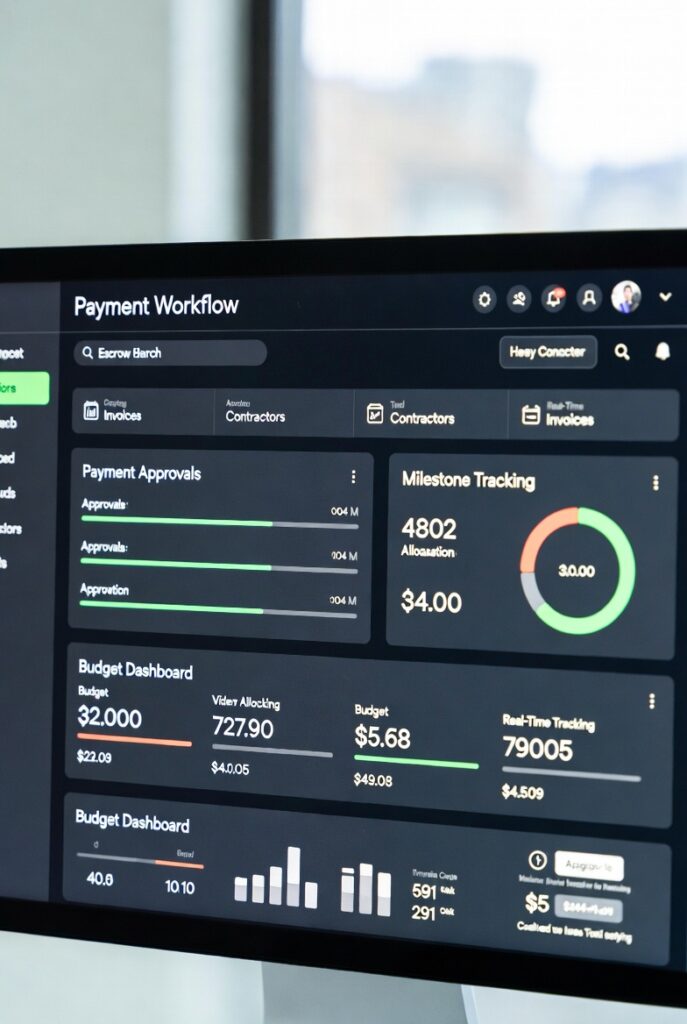
Australia’s construction sector continues to face intense financial pressure, with thousands of building companies entering insolvency over the past two years. For homeowners, subcontractors, suppliers, and developers, the consequences are becoming impossible to ignore. Recent reports highlighting more than 3,000 construction sector insolvencies in a single year have reinforced growing concerns across the industry. Families are being left with unfinished homes, delayed projects, disappearing deposits, and mounting financial stress. At the same time, subcontractors and suppliers are carrying the burden of unpaid invoices, cash-flow uncertainty, and increasing distrust within the building process. What was once viewed as an isolated issue affecting only struggling builders has now evolved into a broader industry-wide crisis. The pressure facing Australia’s construction sector is exposing long-standing weaknesses in how construction payments are managed, tracked, and released throughout a project. Traditional payment systems often provide very little visibility for homeowners, while subcontractors frequently remain vulnerable to delayed or disputed payments. As builder liquidation cases continue to rise, homeowners are becoming increasingly cautious about where their money goes during construction projects. Many are now seeking better financial oversight, clearer payment accountability, and greater transparency before signing contracts or releasing milestone payments. This is where modern systems like PayLocker are beginning to attract attention across the industry. Rather than relying on outdated payment practices that can leave both homeowners and tradies exposed, PayLocker is designed to help improve construction payment transparency through structured milestone-based payment systems, improved financial visibility, and clearer accountability throughout the building process. The conversation around construction insolvency is no longer just about builder failures. It is now about protecting homeowners, supporting subcontractors, and creating a more financially transparent construction industry. Australia’s Construction Industry Is Under Pressure Australia’s residential construction sector has faced relentless pressure over recent years. While demand for housing remains high, the financial conditions required to deliver projects profitably have become increasingly difficult for many builders to manage. The result has been a sharp increase in construction insolvency cases across both large and small operators. The industry has been squeezed from multiple directions simultaneously: Many builders entered into contracts during periods of lower construction costs, only to face massive increases in timber, steel, concrete, transport, and labour expenses months later. For builders operating on already tight margins, these cost increases created significant financial strain. At the same time, labour shortages across Australia’s construction workforce added another layer of pressure. Skilled trades became harder to secure, wages increased, and project timelines began stretching well beyond original expectations. Supply chain disruptions also continued to impact builders long after the pandemic-related construction boom. Delays in obtaining materials caused scheduling issues, stalled projects, and increased holding costs. Then came the impact of higher interest rates. As borrowing costs rose, developers, builders, and homeowners all felt the financial pressure. Builders carrying debt or relying heavily on cash flow found themselves in increasingly vulnerable positions. For many construction businesses, survival became dependent on maintaining constant incoming payments. This environment has created serious instability across the sector. Even established operators have found it difficult to maintain profitability under these conditions. Smaller builders have been particularly vulnerable, often operating with limited financial buffers while juggling rising operational costs and delayed project timelines. The increase in builder collapse Australia stories is not simply the result of poor management. It reflects an industry operating under immense financial stress. Why Builders Are Collapsing Construction insolvency rarely happens overnight. In most cases, builder liquidation is the result of ongoing financial pressure building over months or even years. Several major factors continue to drive insolvencies across Australia’s construction sector. Inflation and Rising Material Costs One of the biggest contributors to builder collapse Australia cases has been rapid inflation. Construction material costs surged dramatically over recent years, particularly for: Builders locked into fixed-price contracts often had little ability to pass rising costs onto clients. As margins disappeared, projects that were once profitable became financially unsustainable. Labour Shortages Australia’s ongoing trade shortages have created major scheduling and cost pressures. Builders have struggled to secure qualified subcontractors across multiple trades, including: When labour becomes scarce, project costs rise and delays increase. For builders managing multiple sites simultaneously, these delays can create significant cash-flow problems. Supply Chain Disruptions Delayed materials can stall entire projects. When projects slow down, builders often continue carrying overhead costs while waiting for products to arrive. This creates financial pressure that can quickly compound. Builders facing delayed progress claims, slower project completion, and ongoing operational expenses often experience severe cash-flow strain. Fixed-Price Contract Risks Fixed-price contracts became one of the most damaging issues for many builders during the construction cost surge. Projects priced before inflation increases became extremely difficult to complete profitably. Builders found themselves trapped between rising costs and locked contract pricing. Many attempted to absorb losses for as long as possible before eventually entering administration or liquidation. Interest Rates and Borrowing Pressure Higher interest rates have affected nearly every participant in the construction industry. Builders relying on credit facilities or project financing faced higher repayment costs. At the same time, homeowners became more cautious with spending, and developers encountered tighter lending conditions. The combination of rising debt costs and slower project movement intensified financial pressure across the sector. Cash-Flow Pressure Cash flow remains one of the biggest reasons construction businesses fail. Even profitable projects can become financially dangerous if payments are delayed or poorly managed. Many builders rely heavily on incoming progress payments to fund ongoing work, subcontractors, materials, and operational expenses. When payment timing becomes unstable, the financial risk increases dramatically. This is why construction payment transparency is becoming such a critical discussion across the industry. The Human Cost Behind Builder Insolvencies Behind every construction insolvency are real people facing significant emotional and financial consequences. For homeowners, builder liquidation can quickly become a nightmare. Many families spend years saving deposits, securing finance, and planning their dream homes. When a builder collapses mid-project, the impact can be devastating. Homeowners may face: In some situations, homeowners are forced to spend tens or hundreds