
ASIC Records Nearly 3,000 Construction Insolvencies in 2024

Australia’s construction industry continues facing unprecedented financial pressure, with ASIC recording nearly 3,000 construction-sector insolvencies in 2024 alone. The rising number of builder collapses has become one of the most serious challenges affecting the Australian housing and construction market, creating growing uncertainty for homeowners, subcontractors, suppliers, and developers nationwide. What was once viewed as isolated builder failures has now evolved into a widespread industry crisis. Construction companies across New South Wales, Victoria, Queensland, and other states are struggling to survive under the combined pressure of rising costs, labour shortages, delayed payments, and shrinking margins. For homeowners, the increasing number of builder liquidations is creating understandable concern about project security, financial exposure, and whether construction companies can successfully complete projects without experiencing major financial problems. As the industry continues dealing with these pressures, the importance of construction payment transparency and stronger financial accountability is becoming more important than ever. This is where solutions like PayLocker are becoming increasingly relevant as the construction sector looks for safer and more transparent ways to manage project payments and improve confidence throughout the building process. Australia’s Construction Industry Is Under Pressure The Australian building sector has experienced major disruption over the past several years. Construction companies are currently dealing with: Many builders signed long-term fixed-price contracts during the construction boom of 2020 to 2022 when operating costs were significantly lower and supply chains were more stable. However, the economic environment changed rapidly. The price of: all increased sharply within a short period of time. Builders that committed to older contracts suddenly found themselves completing projects under severe financial pressure as costs continued rising while contract prices remained locked in. For many businesses, projects that originally appeared profitable slowly became financially unsustainable. Why Builders Are Collapsing The increasing number of construction insolvencies is being driven by several overlapping economic pressures affecting the industry simultaneously. Fixed-Price Contracts Have Become a Major Risk Fixed-price contracts are one of the biggest reasons many builders are struggling financially. Builders who signed contracts before inflation surged are now attempting to complete projects while absorbing major cost increases across labour and materials. In many cases: For some builders, every ongoing project began generating losses instead of profit. Over time, this financial pressure became impossible for many companies to absorb. Labour and Material Shortages Continue Delaying Projects The construction industry is also facing ongoing labour shortages and supply-chain challenges. Builders across Australia continue struggling to secure: At the same time, delays in accessing materials and equipment continue extending project timelines. Longer project durations create additional pressure through: The longer projects remain incomplete, the more financially vulnerable builders become. Interest Rates Are Adding Further Pressure Australia’s higher interest-rate environment has added another layer of financial strain throughout the construction sector. Higher borrowing costs now affect: At the same time, tighter lending conditions and affordability concerns have softened buyer demand in some markets. Builders are now facing rising operational costs while new revenue pipelines become more uncertain. This combination is creating widespread cash-flow instability across the industry. The Human Cost Behind Construction Insolvencies Behind every construction insolvency statistic are real homeowners, tradies, suppliers, and workers dealing with financial stress. For homeowners, builder collapses can result in: Many families spend years saving for construction projects and committing to major financial obligations. When builders experience financial distress during projects, homeowners are often left facing uncertainty about: At the same time, subcontractors and suppliers frequently face unpaid invoices after already completing work or supplying materials. Small trade businesses often depend on regular project payments to maintain: When payment chains break down, financial pressure spreads rapidly across multiple businesses connected to the same project. Red Flags That May Signal Financial Stress As builder insolvencies continue rising, homeowners are becoming increasingly focused on identifying potential warning signs early. Some common red flags that may indicate financial stress inside construction projects include: While these signs do not always mean a builder is in financial trouble, they can indicate cash-flow pressure developing inside a project. This growing uncertainty is one reason why homeowners are becoming far more cautious about how construction funds are managed throughout the building process. Why Traditional Construction Payment Systems Are Failing Traditional construction payment systems have historically relied heavily on trust-based arrangements. In many projects: Unfortunately, by the time warning signs appear: This lack of transparency creates major risk for everyone involved in construction projects. As insolvency numbers continue increasing, more industry participants are recognising that traditional payment systems no longer provide enough protection in today’s economic environment. The Domino Effect Across Construction One of the most damaging aspects of builder insolvencies is the ripple effect they create across the broader construction supply chain. When builders experience financial pressure: Eventually, one builder collapse can financially impact dozens of businesses connected to the same project. This domino effect has become one of the biggest structural challenges facing Australia’s construction industry. Many subcontractors operate on tight margins and rely heavily on regular project payments to maintain daily operations. When payment chains break down: Why Homeowners Are Becoming More Cautious The increasing number of builder insolvencies has changed how Australians approach construction projects. Homeowners are becoming more cautious about: People no longer want to rely solely on verbal assurances or traditional payment structures. Instead, they increasingly want: This growing demand for transparency is helping drive interest in modern payment-management systems designed to improve oversight throughout construction projects. How PayLocker Helps Improve Payment Transparency As concerns around builder insolvencies continue growing, PayLocker is becoming increasingly relevant within Australia’s construction sector as a platform focused on improving construction payment transparency and accountability. Rather than relying solely on traditional upfront payment systems, PayLocker supports milestone-based payment management designed to create greater financial visibility throughout projects. With PayLocker: This type of structured payment system helps support stronger confidence between: Milestone-based payment systems can also help encourage: Importantly, systems like PayLocker also help position builders who prioritise transparency and professionalism as trusted operators within a challenging market. As homeowners become more selective about who they
Australia’s Construction Insolvency Crisis Is Hurting Homeowners

Australia’s construction industry continues facing serious financial pressure, with builder insolvencies creating growing concern for homeowners, subcontractors, suppliers, and developers across the country. Over the past few years, the number of construction companies entering liquidation or administration has increased dramatically, leaving thousands of projects delayed, abandoned, or financially stressed. For many Australian families, building a home represents one of the largest financial commitments of their lives. Yet the ongoing construction insolvency crisis is exposing how vulnerable homeowners can become when builders experience cash-flow problems or financial collapse midway through projects. As more stories emerge involving unfinished homes, unpaid tradies, delayed timelines, and financial disputes, the industry is increasingly recognising the need for stronger payment transparency and improved financial accountability throughout construction projects. This is where modern payment-management solutions like PayLocker are becoming increasingly important as the construction sector searches for safer and more transparent ways to manage project payments and improve confidence between builders, clients, and subcontractors. Australia’s Construction Industry Is Under Significant Pressure The Australian building sector is currently operating under extremely difficult economic conditions. Construction companies are dealing with: Many builders signed fixed-price contracts during periods when material and labour costs were significantly lower. However, inflation rapidly changed the economics of construction projects across Australia. The cost of: rose sharply within a relatively short timeframe. For many builders, projects that initially appeared profitable slowly became financially unsustainable as expenses continued increasing while contract prices remained fixed. This has created enormous pressure on: Unfortunately, many businesses have struggled to absorb these ongoing financial pressures. Why Builder Insolvencies Are Increasing The growing number of construction insolvencies is being driven by several overlapping economic challenges affecting the industry simultaneously. Fixed-Price Contracts Have Become Financially Dangerous One of the biggest issues facing builders is the impact of older fixed-price contracts signed before inflation surged. While project costs increased significantly, many builders were unable to pass those additional costs onto customers. This created serious pressure on profit margins and cash flow. For some builders: Over time, these financial pressures became unsustainable for many businesses. Labour Shortages Continue Delaying Projects Australia’s construction sector is also facing ongoing labour shortages. Builders across the country continue struggling to secure: At the same time, supply-chain disruptions continue delaying access to materials and equipment. As projects take longer to complete: The longer construction projects remain incomplete, the more financially vulnerable builders become. Rising Interest Rates Are Adding More Pressure Higher interest rates have added another major challenge for Australia’s construction industry. Increased borrowing costs now affect: At the same time, tighter lending conditions have reduced buyer confidence in some areas of the market. Builders are now facing rising operating costs while new project demand becomes less predictable. This combination is creating widespread financial pressure throughout the industry. The Human Cost Behind Builder Collapses Behind every construction insolvency are homeowners, tradies, suppliers, and workers dealing with financial uncertainty. For homeowners, builder collapses can lead to: Many families spend years saving for a home build or renovation project. When builders experience financial trouble during construction, those plans can quickly become overwhelming and uncertain. Homeowners are often left wondering: At the same time, subcontractors and suppliers frequently face unpaid invoices after already completing work or delivering materials. Small trade businesses often depend heavily on regular project payments to maintain: When payment chains break down, financial pressure spreads rapidly across the broader construction supply chain. Why Traditional Construction Payment Systems Are Failing Traditional construction payment systems have historically relied heavily on trust-based arrangements. In many projects: Unfortunately, many homeowners only realise a builder is struggling financially after: By that stage, significant funds may already have been transferred without sufficient financial safeguards. This lack of transparency creates major trust issues throughout the construction process. The Domino Effect Across Construction Projects Construction insolvencies rarely affect just one business. When builders experience financial pressure: Eventually, one builder collapse can financially impact dozens of subcontractors and suppliers connected to the same project. This domino effect has become one of the biggest structural risks facing Australia’s construction industry. Many subcontractors operate on tight margins and rely heavily on regular project payments to maintain daily operations. When payment chains break down: As insolvencies continue rising, more industry participants are recognising the need for stronger payment-management systems that improve transparency and accountability throughout projects. Why Homeowners Are Becoming More Cautious The growing number of builder collapses is changing how Australians approach construction projects. Homeowners are becoming increasingly cautious about: People no longer want to rely solely on trust-based payment arrangements. Instead, they increasingly want: This growing demand for transparency is helping drive interest in modern construction payment systems designed to improve oversight throughout projects. How PayLocker Helps Improve Payment Transparency As concerns around construction insolvencies continue increasing, platforms like PayLocker are becoming increasingly relevant throughout Australia’s building industry. PayLocker focuses on improving construction payment transparency and financial accountability through structured milestone-based payment management. Rather than relying solely on traditional upfront payment systems, PayLocker supports clearer payment visibility throughout the construction process. With PayLocker: This type of structured payment system helps support stronger confidence between: Milestone-based payment systems can also help encourage: Importantly, builders who prioritise transparent payment systems can also position themselves as trusted professionals in an increasingly competitive and cautious market. As homeowners become more selective about who they build with, builders focused on accountability and transparency may increasingly stand out. Why Financial Transparency Is Becoming Essential Australia’s construction industry is entering a period where financial transparency is no longer optional. The growing number of builder insolvencies has highlighted the risks associated with fragmented payment systems and limited project visibility. Homeowners now want: Subcontractors also want stronger assurance that completed work will be paid for properly and on time. At the same time, builders themselves benefit from systems that help: The industry is gradually recognising that stronger financial systems are necessary for long-term stability and confidence. Conclusion Australia’s construction insolvency crisis continues creating serious challenges for homeowners, subcontractors, suppliers, and builders across the country. Rising costs, labour
Queensland Luxury Homebuilder Collapse Highlights Growing Construction Risks

Australia’s construction industry continues facing significant financial pressure, with the collapse of Queensland luxury homebuilder LDC becoming another reminder of the growing instability affecting builders, homeowners, subcontractors, and suppliers across the country. The collapse of a luxury-focused builder demonstrates that financial stress inside the construction industry is no longer limited to smaller operators or budget projects. Even companies operating within premium residential markets are now facing serious challenges caused by rising costs, labour shortages, project delays, and weakening cash flow. For homeowners investing in high-end residential construction, these insolvencies create growing concern around project security, payment protection, and financial transparency throughout the building process. As builder collapses continue increasing nationwide, the industry is increasingly recognising the importance of stronger financial oversight and safer construction payment systems. This is where modern payment-management platforms like PayLocker are becoming increasingly relevant as the construction sector looks for smarter ways to improve accountability, transparency, and confidence across projects. Australia’s Construction Industry Is Under Increasing Financial Pressure Over the past several years, Australia’s building sector has experienced one of the most difficult operating environments in decades. Builders across Queensland, New South Wales, Victoria, and other states are currently dealing with: Many builders entered long-term contracts during periods when operating costs were significantly lower. However, inflation rapidly changed the economics of residential construction projects throughout Australia. The cost of: increased sharply over a relatively short period. For many builders, projects that originally appeared profitable slowly became financially unsustainable as operating expenses continued rising while project pricing remained fixed. This has created enormous pressure on: Unfortunately, many construction businesses have struggled to absorb these ongoing financial pressures. Why Builders Are Continuing to Collapse The growing number of builder insolvencies across Australia is being driven by several overlapping economic pressures affecting the construction industry simultaneously. Fixed-Price Contracts Are Creating Financial Stress One of the biggest challenges affecting builders today is the impact of fixed-price contracts signed before inflation surged. While material and labour costs increased dramatically, many builders were unable to pass those additional costs onto clients. This placed enormous strain on: For some companies, projects continued operating while generating minimal profit or even ongoing losses. Over time, this financial pressure became impossible for many builders to manage sustainably. Labour and Material Shortages Continue Delaying Projects Australia’s construction sector is also continuing to face labour shortages and supply-chain disruptions. Builders across the country are struggling to secure: At the same time, material shortages and delayed supplier deliveries continue extending project timelines. Longer construction schedules create additional pressure through: The longer projects remain incomplete, the harder it becomes for financially stressed builders to maintain stability. Interest Rates Are Adding More Financial Pressure The higher interest-rate environment across Australia has added another major challenge for the construction industry. Increased borrowing costs now affect: At the same time, tighter lending conditions have slowed some areas of buyer demand. Builders are now facing rising operational expenses while project pipelines become less predictable. This combination is creating widespread cash-flow pressure throughout the sector. The Human Cost Behind Builder Insolvencies Behind every builder collapse are homeowners, subcontractors, suppliers, and workers dealing with financial uncertainty. For homeowners, construction insolvencies can result in: Luxury home projects can involve particularly significant financial commitments, making project disruptions even more stressful for families and investors. Homeowners are often left wondering: At the same time, subcontractors and suppliers frequently face unpaid invoices after already completing work or supplying materials. Many trade businesses depend heavily on regular project payments to cover: When payment chains begin breaking down, financial stress quickly spreads throughout the broader construction supply chain. Why Traditional Construction Payment Systems Are Failing Traditional construction payment systems have historically relied heavily on trust-based arrangements. In many projects: Unfortunately, many homeowners only realise builders are under financial pressure after: By that stage, significant funds may already have been transferred without sufficient financial safeguards. This lack of transparency creates growing trust concerns across the construction industry. The Domino Effect Across Construction Projects Construction insolvencies rarely affect just one company. When builders experience financial stress: Eventually, one builder collapse can financially impact dozens of businesses connected to the same project. This domino effect has become one of the biggest structural risks facing Australia’s construction industry. Many subcontractors operate on tight margins and rely heavily on regular project payments to maintain daily operations. When payment chains break down: As insolvencies continue rising, more industry participants are recognising the need for stronger payment-management systems that improve transparency throughout projects. Why Homeowners Are Becoming More Cautious The growing number of builder collapses is changing how Australians approach construction projects. Homeowners are becoming increasingly cautious about: People no longer want to rely purely on trust-based payment systems. Instead, they increasingly want: This growing demand for transparency is helping drive interest in modern payment-management systems designed to improve oversight throughout construction projects. How PayLocker Helps Improve Payment Transparency As concerns around builder insolvencies continue increasing, PayLocker is becoming increasingly relevant within Australia’s construction industry as a platform focused on improving payment transparency and financial accountability. Rather than relying solely on traditional upfront payment arrangements, PayLocker supports milestone-based payment management designed to improve visibility throughout the construction process. With PayLocker: This type of structured payment system helps support stronger confidence between: Milestone-based payment systems can also help encourage: Importantly, builders who prioritise transparent payment systems can also position themselves as trusted professionals within an increasingly cautious construction market. As homeowners become more selective about who they build with, builders focused on accountability and transparency may increasingly stand out. Why Financial Transparency Is Becoming Essential Australia’s construction industry is entering a period where financial transparency is no longer optional. The growing number of builder insolvencies has highlighted the risks associated with fragmented payment systems and limited financial oversight. Homeowners now want: Subcontractors also want stronger confidence that completed work will be paid properly and on time. At the same time, builders themselves benefit from systems that help: The industry is gradually recognising that stronger financial systems are essential for
Major Victorian Builder Avoids Liquidation While Another Collapses

Australia’s construction industry continues navigating one of the most financially challenging periods in recent history, with another Victorian builder collapse adding further pressure to an already unstable sector. While one major home builder reportedly managed to avoid liquidation, another construction company entered collapse, highlighting the growing uncertainty affecting builders, homeowners, subcontractors, and suppliers across the country. These ongoing insolvency stories are no longer isolated incidents. Across Australia, construction businesses are struggling under the combined weight of inflation, labour shortages, rising financing costs, delayed projects, and weakened cash flow. The result is an industry where even established builders are facing increasing financial pressure. For homeowners, every new builder collapse raises concerns around project security, payment protection, and whether construction companies can successfully complete projects without financial disruption. At the same time, subcontractors and suppliers are becoming increasingly cautious about delayed payments and growing financial risk throughout the supply chain. As the construction industry continues evolving under economic pressure, the importance of financial transparency and structured payment systems is becoming more obvious than ever. This is where modern payment-management platforms like PayLocker are becoming increasingly relevant as the industry looks for safer and more transparent ways to manage project payments and improve trust between all parties involved. Australia’s Construction Industry Remains Under Severe Pressure The Australian building sector has experienced significant disruption over the past several years. Builders across Victoria, New South Wales, Queensland, and other states continue facing: Many construction companies entered long-term contracts during periods when operating costs were far lower and supply chains were more stable. However, inflation rapidly changed the economics of residential construction across Australia. The cost of: increased dramatically within a relatively short period. For many builders, projects that originally appeared financially healthy slowly became difficult to sustain as expenses continued rising while contract pricing remained fixed. This created enormous pressure on: Unfortunately, many businesses have struggled to absorb these ongoing pressures. Why Builders Continue Facing Financial Stress The growing number of construction insolvencies is being driven by several overlapping economic challenges affecting the industry simultaneously. Fixed-Price Contracts Continue Hurting Builders One of the biggest issues affecting construction companies today is the impact of older fixed-price contracts signed before inflation surged. Builders committed to delivering projects at prices that no longer reflected actual construction costs. As material and labour expenses continued rising: For some builders, projects continued operating while generating minimal profit or ongoing losses. Over time, these financial pressures became unsustainable for many businesses. Labour and Material Shortages Are Extending Timelines Australia’s construction industry also continues struggling with labour shortages and material supply issues. Builders across the country are still finding it difficult to secure: At the same time, delays in material deliveries continue extending project schedules. Longer project timelines create additional pressure through: The longer projects remain incomplete, the harder it becomes for financially stressed builders to maintain stability. Higher Interest Rates Are Increasing Industry Pressure Australia’s higher interest-rate environment has added another major challenge for the construction sector. Increased borrowing costs now affect: At the same time, tighter lending conditions have slowed some buyer demand throughout the housing market. Builders are now facing rising operational expenses while project pipelines become less predictable. This combination is creating widespread financial instability throughout the industry. The Human Cost Behind Builder Collapses Behind every construction insolvency are homeowners, tradies, suppliers, and workers dealing with financial stress and uncertainty. For homeowners, builder collapses can lead to: Many Australian families spend years saving for home construction projects. When builders experience financial problems during construction, homeowners are often left wondering: At the same time, subcontractors and suppliers frequently face unpaid invoices after already completing work or delivering materials. Many trade businesses rely heavily on regular project payments to maintain: When payment chains begin breaking down, financial stress spreads quickly across the broader construction industry. Why Traditional Construction Payment Systems Are Failing Traditional construction payment systems have historically relied heavily on trust-based arrangements. In many projects: Unfortunately, many homeowners only realise builders are under financial pressure after: By that stage, significant funds may already have been transferred without sufficient financial oversight. This lack of transparency creates growing trust concerns throughout the building process. The Domino Effect Across Construction Projects Construction insolvencies rarely impact only one business. When builders experience financial pressure: Eventually, one builder collapse can financially affect dozens of businesses connected to the same project. This domino effect has become one of the biggest structural risks facing Australia’s construction industry. Many subcontractors operate on tight margins and depend heavily on regular project payments to maintain daily operations. When payment chains break down: As insolvencies continue rising, more industry participants are recognising the importance of stronger payment-management systems that improve visibility and accountability throughout projects. Why Homeowners Are Becoming More Cautious The growing number of builder collapses is changing how Australians approach construction projects. Homeowners are becoming increasingly cautious about: People no longer want to rely purely on trust-based payment arrangements. Instead, they increasingly want: This growing demand for transparency is helping drive interest in modern payment-management systems designed to improve oversight throughout construction projects. How PayLocker Helps Improve Payment Transparency As concerns around construction insolvencies continue increasing, PayLocker is becoming increasingly relevant within Australia’s construction industry as a platform focused on improving payment transparency and financial accountability. Rather than relying solely on traditional upfront payment arrangements, PayLocker supports milestone-based payment management designed to improve visibility throughout the construction process. With PayLocker: This type of structured payment system helps support stronger confidence between: Milestone-based systems can also help encourage: Importantly, builders who prioritise transparent payment systems can also position themselves as trusted professionals within an increasingly cautious construction market. As homeowners become more selective about who they build with, builders focused on accountability and transparency may increasingly stand out. Why Financial Transparency Is Becoming Essential Australia’s construction industry is entering a period where financial transparency is no longer optional. The growing number of builder insolvencies has highlighted the risks associated with fragmented payment systems and limited financial oversight. Homeowners now
Simone Homes Collapse: Why Trust and Payment Security Matter in Construction

Australia’s construction industry continues facing mounting financial pressure, and the recent Simone Homes collapse has once again raised concerns across the residential building sector. For homeowners, subcontractors, and suppliers, builder insolvencies are becoming more than just industry headlines. They are creating real financial stress, delayed projects, unpaid invoices, and growing uncertainty about who can truly be trusted within construction. As these collapses continue affecting confidence across the market, payment transparency and financial accountability are becoming increasingly important for both consumers and reputable builders. This is where systems like PayLocker are entering the conversation. Builder Collapses Continue Rising Across Australia Over the past several years, Australia has experienced a sharp increase in construction insolvencies. Many builders that once appeared financially stable are now struggling under the weight of: During the post-pandemic construction boom, many companies signed long-term contracts before inflation pushed costs dramatically higher. As timber, steel, freight, concrete, and labour prices surged, some builders found themselves completing projects at little profit — or even at significant losses. For some companies, every new project increased financial pressure instead of improving business stability. The Simone Homes collapse reflects broader challenges now affecting builders throughout Australia’s construction industry. The Real Impact Happens After a Builder Collapses When a construction company fails, the consequences spread far beyond the business itself. Homeowners may suddenly face: At the same time, subcontractors often carry major financial risk. Electricians, plumbers, painters, concreters, suppliers, and other trades frequently continue working while waiting for progress payments. When a builder enters administration or liquidation, many unsecured creditors are left with little chance of recovering unpaid invoices. For smaller subcontracting businesses, the damage can be severe. Some lose months of income overnight. Others are forced to reduce staff, delay supplier payments, or absorb major financial losses after a single builder collapse. The emotional toll can also become overwhelming for families and business owners already operating under tight margins. Why Trust Is Becoming a Major Industry Issue The growing number of insolvencies is changing how consumers approach construction projects. Homeowners are becoming increasingly cautious before signing building contracts. Many now research: Subcontractors are also becoming more selective about which builders they choose to work with. This shift is creating a new reality within construction: Builders who demonstrate transparency and financial accountability are becoming more attractive to both clients and trades. That is one reason payment security systems are gaining more attention across the industry. Why Payment Transparency Matters More Than Ever Traditional construction payment systems often rely heavily on trust. Typically: Clients pay builders.Builders manage project funds.Subcontractors wait for payments. The problem is that when financial pressure enters the system, visibility can disappear quickly. Homeowners may assume subcontractors are being paid when they are not. Trades may continue working without knowing whether project funds are actually available. Builders themselves may be balancing multiple projects under significant cash flow pressure. This lack of transparency increases uncertainty for everyone involved. Secure payment systems aim to reduce that uncertainty by improving visibility and accountability throughout the construction process. How PayLocker Supports Greater Construction Confidence PayLocker represents a growing shift toward secure and transparent construction payments. Rather than working against builders, the platform is designed to support professional builders who value trust, communication, and accountability. The concept focuses on creating a secure payment environment where project funds are visible, protected, and linked to approved project milestones. This can help create stronger confidence between: For homeowners, payment transparency can provide greater peace of mind during construction. For subcontractors, it offers reassurance that approved work is connected to protected project funds. For builders, it creates an opportunity to strengthen reputation and demonstrate professionalism in an increasingly cautious market. Honest Builders May Benefit the Most One of the biggest misconceptions surrounding payment security systems is that they exist to punish builders. In reality, reputable builders often stand to benefit the most. Professional builders already understand the importance of: Systems focused on transparency can help reinforce those strengths. As consumer caution continues growing, builders who embrace accountability and secure payment practices may gain a major competitive advantage over companies still relying on outdated systems. In today’s environment, trust itself is becoming a valuable business asset. The Industry Needs Stability, Not Fear Despite recent insolvencies, Australia’s construction sector still includes thousands of highly skilled, ethical, and hardworking professionals. Most builders genuinely want to deliver quality projects, maintain strong relationships, and operate sustainable businesses long term. The challenge is that economic conditions have exposed weaknesses within traditional construction payment models. Material volatility, rising costs, labour shortages, and delayed payment cycles have increased pressure throughout the industry. The solution is not to undermine builders. The solution is to strengthen the systems surrounding them. That includes improving payment security, increasing transparency, and reducing uncertainty for everyone involved in a project. The Future of Construction Will Favour Trustworthy Builders Despite current challenges, Australia’s construction industry remains essential to the country’s growth and housing future. Demand for housing remains strong, infrastructure investment continues, and reputable builders are still delivering excellent outcomes for clients every day. But the market is changing. Consumers are becoming more cautious.Financial scrutiny is increasing.Transparency expectations are rising. Builders who adapt to this new environment by embracing accountability and consumer confidence tools are likely to place themselves in stronger long-term positions. The collapse of Simone Homes serves as another reminder that financial stability can no longer be assumed simply because a company has projects underway or an established presence. For homeowners, the lesson is clear: Security and transparency matter. For builders, the opportunity is equally important: Trust is becoming one of the industry’s most valuable competitive advantages. And for the broader construction sector, systems like PayLocker may help create a more stable, trustworthy, and sustainable building environment where both consumers and reputable builders are better protected from the financial uncertainty that continues affecting the industry today.
Aussie Builder Collapse Leaves Families With Unfinished Homes

Australia’s construction industry continues facing growing instability, with another builder entering liquidation and leaving homeowners with unfinished homes and subcontractors chasing unpaid invoices. Stories like these are becoming increasingly common across the country, creating rising concern among families planning to build, tradies working on projects, and suppliers operating throughout the construction sector. For many Australians, building a home is one of the biggest financial decisions they will ever make. Families often spend years saving deposits, organising finance, and planning their future around construction timelines. When a builder collapses midway through a project, the financial and emotional impact can be devastating. At the same time, subcontractors and suppliers can also suffer major losses when payments stop flowing through construction projects. Many smaller trade businesses rely heavily on regular invoice payments to maintain staff wages, supplier accounts, equipment financing, and daily operations. As builder insolvencies continue increasing across Australia, one issue is becoming increasingly clear:The construction industry needs stronger financial transparency, safer payment structures, and better accountability throughout projects. This is where systems like PayLocker are becoming increasingly important as the industry looks for smarter and more transparent ways to manage project payments while supporting trustworthy builders and improving consumer confidence. Australia’s Construction Industry Is Under Significant Financial Pressure The Australian building sector has experienced one of the most difficult operating environments in recent decades. Builders across the country continue facing: Many builders signed contracts during periods when labour and material costs were significantly lower. However, inflation rapidly changed the economics of residential construction across Australia. The cost of: increased dramatically within a relatively short period. For many builders, projects that originally appeared profitable slowly became financially difficult to sustain as operating expenses continued rising while project pricing remained fixed. This created enormous pressure on: Unfortunately, many construction businesses have struggled to absorb these pressures. Why Builder Collapses Continue Increasing The growing number of construction insolvencies is being driven by several overlapping economic challenges affecting the industry simultaneously. Fixed-Price Contracts Continue Hurting Builders One of the biggest issues facing builders today is the impact of fixed-price contracts signed before inflation surged. Builders committed to delivering projects at prices that no longer reflected actual construction costs. As labour and material expenses increased: For some builders, projects continued operating while generating minimal profit or ongoing losses. Over time, this financial pressure became unsustainable. Labour Shortages and Delays Are Extending Projects Australia’s construction industry also continues struggling with labour shortages and supply-chain disruptions. Builders are still finding it difficult to secure: At the same time, delays in supplier deliveries continue extending project schedules. Longer construction timelines create additional pressure through: The longer projects remain incomplete, the harder it becomes for financially stressed builders to maintain stability. The Human Cost Behind Builder Insolvencies Behind every builder collapse are real families and businesses dealing with uncertainty and financial stress. For homeowners, builder insolvencies can result in: Many families commit significant savings and financial resources into building projects. When construction suddenly stops, uncertainty quickly takes over. Homeowners often begin asking: At the same time, subcontractors and suppliers frequently face unpaid invoices after already completing work or supplying materials. Many trade businesses rely heavily on regular project payments to maintain: When payment chains begin breaking down, financial pressure spreads rapidly throughout the broader construction industry. Why Trust Has Become Critical in Construction In today’s market, trust is becoming one of the most valuable assets a builder can have. Homeowners are no longer evaluating builders based solely on: They are increasingly asking: Builders who can confidently demonstrate transparency and accountability are increasingly placing themselves in stronger positions within the market. This is one reason systems focused on payment visibility and project accountability are becoming more relevant throughout Australia’s construction industry. Why Traditional Construction Payment Systems Are Creating Risk Traditional construction payment systems have historically relied heavily on trust-based arrangements. In many projects: Unfortunately, many homeowners only discover problems after: By that stage, substantial funds may already have been transferred without sufficient financial visibility. This lack of transparency creates major uncertainty and weakens trust throughout the construction process. The Domino Effect Across Construction Projects Construction insolvencies rarely impact just one company. When builders experience financial pressure: Eventually, one builder collapse can financially affect dozens of subcontractors and suppliers connected to the same project. This domino effect has become one of the biggest structural risks affecting Australia’s construction sector. Many subcontractors operate on tight margins and depend heavily on regular payments to maintain daily operations. When payment chains break down: As insolvencies continue increasing nationwide, more industry participants are recognising the importance of stronger payment-management systems that improve transparency and accountability throughout projects. How PayLocker Helps Support Transparency and Trust As concerns around construction insolvencies continue growing, PayLocker is becoming increasingly relevant as a platform focused on improving construction payment transparency and accountability. Rather than relying solely on traditional upfront payment systems, PayLocker supports milestone-based payment management designed to improve visibility throughout the building process. With PayLocker: Importantly, platforms like PayLocker are not about working against builders. Instead, they help support trustworthy builders who value: As consumers become more cautious about who they build with, builders who embrace transparent payment systems may increasingly position themselves as preferred and trusted operators within the market. Why Financial Transparency Is Becoming Essential Australia’s construction industry is entering a period where financial transparency is no longer optional. Homeowners now want: Subcontractors also want stronger confidence that completed work will be paid properly and on time. At the same time, builders themselves benefit from systems that help: The industry is gradually recognising that stronger financial systems are essential for long-term stability and confidence. Conclusion The latest Aussie builder collapse leaving unfinished homes and unpaid tradies is another reminder of the financial pressure continuing to affect Australia’s construction industry. Rising costs, labour shortages, delayed payments, financing pressure, and supply-chain disruptions are all contributing to increasing instability across the sector. As insolvencies continue impacting projects nationwide, homeowners and subcontractors are demanding safer and more transparent ways to manage
Why Are Builders Going Bust? And Why Payment Security Is Becoming Critical in Australia’s Construction Industry
Australia’s construction industry is facing one of the toughest periods in decades. Across the country, builders that once appeared stable and successful are collapsing under financial pressure, leaving behind unfinished homes, unpaid subcontractors, delayed projects, and devastated families. Over the past two years, insolvencies across the building sector have surged to record levels. What was once viewed as an isolated issue involving a handful of struggling companies has now become a nationwide crisis affecting builders, tradies, suppliers, developers, and homeowners alike. From luxury home builders to large commercial contractors, the pressure is exposing deep structural problems within the industry. Rising material costs, labour shortages, fixed-price contracts, and cash flow instability have created an environment where even experienced operators are struggling to survive. But while the headlines often focus on the collapse itself, the real damage happens afterward — when subcontractors go unpaid, projects stall, and clients lose confidence in the system. That is why payment security platforms like PayLocker are becoming increasingly important in modern construction. A Crisis Spreading Across the Industry The warning signs have been building for years. Construction insolvencies in Australia have climbed dramatically since the pandemic-era lows. Industry data shows failures have more than tripled since 2020–21, making construction the single worst-performing sector for business collapses nationwide. Several key factors are driving the trend: Many builders entered long-term contracts before inflation surged. By the time projects were underway, timber, steel, concrete, freight, and labour costs had skyrocketed. Builders found themselves locked into projects that were no longer profitable. For some companies, every completed project actually increased losses. At the same time, delayed payments throughout the supply chain created additional pressure. When builders experience cash flow stress, subcontractors and suppliers are often the first to feel the impact. This creates a dangerous domino effect. One delayed payment can quickly spread financial stress across dozens of businesses connected to the same project. Homeowners and Tradies Carry the Biggest Risk When a builder collapses, the consequences are rarely limited to the company itself. Homeowners can be left with unfinished homes, incomplete renovations, unexpected legal disputes, and rising construction costs. Many families are forced to find new builders at significantly higher prices just to complete their projects. Subcontractors often suffer even greater damage. Electricians, plumbers, painters, roofers, concreters, and suppliers frequently continue working while waiting for progress payments that may never arrive. When a construction company enters administration or liquidation, unsecured creditors are often left with little chance of recovering what they are owed. For small businesses operating on tight margins, unpaid invoices can become financially devastating. Some subcontractors lose months of income overnight. Others are forced to reduce staff, delay supplier payments, or shut down entirely after a major client collapses. The emotional impact can also be severe. Many tradies invest enormous amounts of labour, equipment, and time into projects before payments are finalised. Watching completed work turn into unpaid debt creates frustration, uncertainty, and mistrust throughout the industry. Why Trust Is Declining in Construction The growing number of collapses has damaged confidence across the residential building sector. Consumers are becoming increasingly cautious when selecting builders. Many now research insolvency histories, online complaints, delayed projects, and payment disputes before signing contracts. At the same time, subcontractors are becoming more selective about which builders they work with. This shift is creating a new competitive advantage within the market: Builders who can demonstrate financial transparency and payment security are becoming more attractive to both clients and subcontractors. That is where platforms like PayLocker enter the conversation. The Industry Is Shifting Toward Payment Transparency Traditional construction payment systems often rely heavily on trust. Clients pay builders.Builders manage the funds.Subcontractors wait for payment. The problem is that once financial stress enters the system, transparency can disappear quickly. Clients may assume subcontractors are being paid on time when they are not.Subcontractors may continue working without knowing whether funds are actually available.Builders themselves may be managing multiple projects under severe financial pressure. This lack of visibility creates risk for everyone involved. PayLocker was designed to reduce that uncertainty. Rather than attacking builders, the system aims to support professional builders who operate honestly and want stronger trust with clients and trades. The concept is simple:Create a secure payment environment where project funds are visible, controlled, and protected throughout the construction process. Why Honest Builders Benefit From Payment Security One of the biggest misconceptions in construction is that payment protection systems exist to punish builders. In reality, strong builders often benefit the most from transparent payment systems. Professional builders already understand the importance of reputation, communication, and financial discipline. Platforms like PayLocker help reinforce those strengths by creating additional confidence for homeowners and subcontractors. For clients, payment security creates peace of mind. For subcontractors, it provides reassurance that approved work is linked to protected project funds. For builders, it helps position their business as trustworthy, organised, and financially responsible. In a market where consumers are increasingly nervous about insolvencies, that reputation advantage matters. Builders who embrace transparency may ultimately gain a stronger competitive position than those relying on outdated payment practices. The Domino Effect of Builder Collapses One of the most damaging aspects of insolvencies is the ripple effect they create across the wider economy. A single builder collapse can impact: When payments stop flowing, the disruption spreads rapidly. Suppliers tighten credit terms.Subcontractors reduce hiring.Projects slow down.Consumer confidence weakens. The result is an industry-wide cycle of instability. Breaking that cycle requires more than short-term financial assistance. It requires structural improvements in how construction payments are managed and protected. That is why conversations around payment transparency, trust accounts, milestone systems, and secure payment technology are becoming more common across Australia. Why Consumers Are Becoming More Careful Today’s homeowners are more informed than ever before. Before choosing a builder, many consumers now ask questions such as: These questions are no longer viewed as unreasonable. They are becoming part of normal due diligence in an industry facing ongoing instability. Builders who can confidently answer those questions are often viewed
Why Builder Collapses Are Leaving Homeowners at Risk — And How PayLocker Can Change That

Building a home is one of the biggest financial commitments most families will ever make. But across Australia, many homeowners are discovering a harsh reality: when a builder collapses financially, the customer is often left carrying the loss. Projects stop halfway. Deposits disappear. Insurance claims become stressful and time-consuming. And in many cases, families are left paying thousands more just to finish the construction. The Growing Problem in the Construction Industry Over the last few years, the construction industry has faced rising material costs, labor shortages, and financial pressure on builders. While many companies continue operating successfully, some businesses have struggled to survive. When a construction company collapses: For many families, this creates emotional stress alongside financial uncertainty. Why Traditional Payment Systems Fail One of the biggest issues is how payments are handled. In many projects, clients transfer large upfront amounts directly to builders before milestones are completed. Once funds are transferred, homeowners have very limited control if delays or disputes happen later. This outdated payment structure creates risk for both sides: The industry needs a more transparent and secure way to manage payments. Introducing a Smarter Solution: PayLocker PayLocker was designed to create safer transactions between clients and contractors. Instead of sending money directly to the builder upfront, funds are securely locked until agreed work milestones are completed. Here’s how it works: Step 1 -Client Deposits Funds The agreed payment is placed securely into PayLocker. Step 2 – Funds Stay Protected Money remains locked while work is in progress. Step 3 – Milestone Completion Once both parties confirm the milestone has been completed properly, payment is released. Step 4 – Greater Transparency Both the client and builder have clear visibility over the payment process. Why This Matters A secure milestone-based payment system can help reduce: For homeowners, it creates peace of mind. For builders, it helps build credibility and trust with clients. The Future of Construction Payments As the construction industry evolves, payment protection is becoming more important than ever. People no longer want to rely purely on trust or verbal promises. They want accountability, transparency, and secure systems that protect everyone involved. That’s where PayLocker aims to make a difference. Because when payments are protected, projects move forward with confidence.
Australian Construction Payment Regulations 2025-2026: What Every Builder and Project Owner Must Know

Construction payment delays still hit Australian projects hard. Builders wait months for money. Project owners face unexpected disputes. These issues slow down sites from Sydney to Perth. Australia has no single national law for construction payments. Each state and territory runs its own rules under Security of Payment laws. These laws protect timely progress payments and fast dispute resolution. Big changes arrived in 2026. Victoria updated its rules on 15 April 2026. The updates affect every construction contract in the state – old and new. Builders and owners across Australia need to know these rules to stay compliant and keep cash flowing. This guide explains the current rules in simple terms. You will see your rights, the latest changes, common mistakes, and practical steps to protect your project. Overview of Security of Payment Laws Across Australia Every state and territory has its own Security of Payment Act. The goal stays the same everywhere: make sure contractors get paid on time for work they complete. Here is a quick state-by-state list: These acts cover progress payments, payment claims and adjudication. They ban “pay when paid” clauses that let head contractors delay subcontractors. Key Terms You Must Understand Progress payments mean money for work done up to a certain point. Payment claims are formal requests for money. Payment schedules are responses that say how much the payer will pay and why. Adjudication is a fast, independent way to settle disputes outside court. These terms appear in every state’s rules. Know them well. They control your cashflow. Major Changes You Need to Know in 2025-2026 Victoria made the biggest update in 2026. The changes started on 15 April 2026. They apply to all construction contracts – even those signed before the date. What Changed in Victoria on 15 April 2026 Contractors can now claim more items in payment claims. The old “excluded amounts” rule is gone. You can include delay damages, latent condition costs and disputed variations. Reference dates no longer exist. You get one payment claim per month on or after the same date each month. December has a small exception. You now have a legal right to claim release of performance security such as bank guarantees or retention money. Parties must follow strict rules before touching performance security. They send written notice first and wait at least five business days. These updates make Victoria’s rules closer to other states. Contractors gain stronger protection. Project owners get clearer processes. Other states saw smaller updates in 2025-2026. Western Australia strengthened its retention trust rules. No major national overhaul happened yet. Watch your own state’s legislation each year. Your Practical Rights and Responsibilities Know exactly what the law gives you and what it expects from you. Rights for Builders and Head Contractors You can send a payment claim after you complete work. You decide the claim amount based on the contract and work done. If the owner does not reply with a payment schedule in time, you can claim the full amount you asked for. Rights for Project Owners and Principals You must reply to every valid payment claim with a payment schedule. You list the amount you will pay and explain any reductions. You cannot pay less than the scheduled amount without a valid reason. Rights for Subcontractors You use the same payment claim process against your head contractor. You can go straight to adjudication if payment is late. You keep your rights even if the head contractor has not been paid yet. Retention and Holdback Rules Retention money stays held until defects liability ends. New rules in Victoria let you claim its release through the same process. Release happens only after you meet contract conditions and inspections finish. Follow these rules on every project. One missed deadline can lock your money for months. Common Pitfalls That Cause Disputes and Delays Builders and owners repeat the same mistakes. Avoid these five. First, people send payment claims without the correct wording. The claim must clearly say it is “made under the Act”. Second, owners miss the payment schedule deadline. They lose the right to argue reductions later. Third, parties ignore the new notice rules for performance security in Victoria. They call on bank guarantees without five business days’ notice. Fourth, teams use old reference dates in contracts. Victoria removed them in April 2026. Fifth, people skip proper records. They cannot prove work value during adjudication. These errors create disputes that stop work and raise legal costs. Fix them early. How to Stay Compliant and Protect Your Cashflow Follow these steps on every project. Set clear monthly claim dates in your contract. Keep digital records of every site inspection and approval. Train your team on the exact timelines for claims and schedules. Use milestone checks before you release any money. Structured Payment Custody systems help here. They hold funds safely and release them only after verified milestones. You get full audit trails and fewer arguments. Create a simple checklist for your next project: These habits keep cash moving and projects on schedule. FAQs What is the Security of Payment Act in Australia and who does it protect? The Security of Payment Act protects contractors, subcontractors and suppliers. It guarantees they receive progress payments for work done. Every state has its own version. How do I make a valid payment claim under SOP laws? Write the claim clearly. State the work done, amount owed and that it is made under the Act. Send it to the right person on time. What is a payment schedule and what happens if I miss the deadline? A payment schedule lists the amount you will pay and reasons for any reduction. Miss the deadline and you must pay the full claimed amount. Are “pay when paid” clauses still legal in construction contracts? No. All states ban these clauses. You cannot make payment depend on someone else paying you first. What changed in Victoria’s Security of Payment laws in April 2026? Victoria removed excluded amounts, added monthly claim rights, gave
Structured Payment Custody for Audit & Payment Traceability in Melbourne

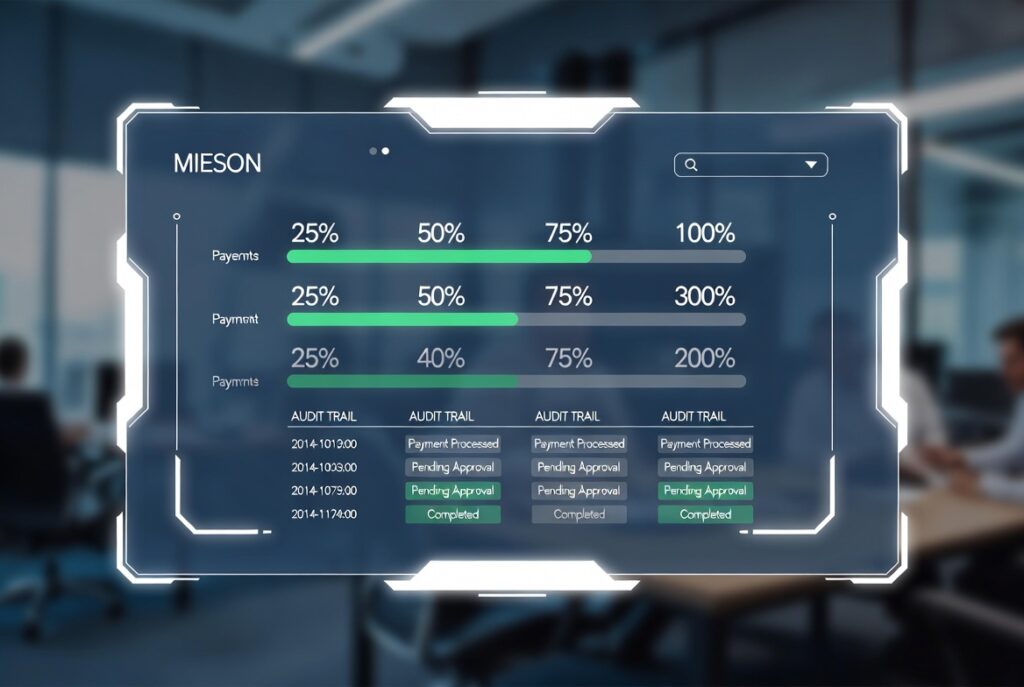
In the construction and project delivery environment across Melbourne and surrounding growth regions, financial control is often the most sensitive and disputed part of any project lifecycle. Delays in approvals, unclear documentation, and fragmented communication between stakeholders frequently lead to payment conflicts, cash flow pressure, and compliance risks. A Structured Payment Custody system introduces a controlled financial governance framework where every construction payment is defined, verified, approved, and released based on clearly documented milestones. It creates complete audit and payment traceability across the entire project lifecycle, ensuring transparency between contractors, subcontractors, project managers, and clients. This system is particularly relevant across Greater Melbourne construction projects, including rapidly expanding areas such as Dandenong, Geelong, Mornington, and Epping, where development activity is high and financial coordination is complex Construction payment disputes and lack of audit clarity in Melbourne projects One of the most common challenges in construction finance is the lack of structured visibility in payment workflows. Many projects rely on manual processes, spreadsheets, and email-based approvals, which creates gaps in accountability. Common pain points in payment workflows: These issues are not limited to small projects; they are widely observed across medium and large-scale developments in Melbourne’s construction ecosystem. From a compliance perspective, these challenges also create pressure under Australian construction standards, particularly under the Security of Payment Act, which requires structured and timely payment handling with supporting documentation. How weak payment traceability impacts construction project performance When financial traceability is weak, the entire project ecosystem becomes vulnerable. Payment delays do not only affect contractors but also impact subcontractors, suppliers, and project timelines. Key operational impacts include: In many cases, project managers spend significant time reconstructing payment histories instead of focusing on delivery performance. This creates inefficiency across both financial and operational layers. Structured Payment Custody system for controlled construction payment workflows A Structured Payment Custody system introduces a disciplined financial control environment where all payments are managed through defined workflows rather than informal approvals. Instead of fragmented communication, the system centralizes all financial actions into a single controlled structure. Core operational principles include: This creates a unified system where financial activity is not only processed but also fully traceable at every stage. End-to-end payment traceability workflow from contract to final payment The Structured Payment Custody approach ensures that every financial transaction follows a clearly defined lifecycle. 1. Contract and scope definition The project begins with a structured agreement where scope, cost breakdown, and payment structure are clearly defined. This includes linking cost items to specific deliverables. 2. Work progress and verification As construction progresses, work completion is documented through site verification records, progress updates, and supporting evidence such as photos or reports. 3. Invoice submission linked to work stages Contractors submit invoices that are directly linked to specific work milestones or completed deliverables. This eliminates ambiguity in billing. 4. Multi-layer approval process Invoices undergo a structured approval chain: 5. Payment release with full traceability Once approvals are completed, payment is released through a controlled process. Every step is recorded in an audit trail system, ensuring complete visibility of the financial flow. This workflow ensures that payments are not just processed but fully documented and traceable. Invoice verification and financial audit trail for construction governance A major strength of Structured Payment Custody is the creation of a complete financial audit trail system. This ensures that every transaction can be reviewed, validated, and reconstructed at any time. Audit trail includes: This structured documentation reduces dependency on manual audits and improves financial governance across projects. It also strengthens compliance readiness under Australian construction standards by ensuring all financial actions are properly recorded and accessible. Retention and holdback management in structured construction payment systems Retention and holdback amounts are a standard part of construction contracts, but they are often poorly tracked in manual systems. This leads to disputes at project completion or delayed final settlements. A Structured Payment Custody system introduces controlled retention tracking. Key features include: This ensures that all retention-related financial obligations are clearly documented and managed throughout the project lifecycle. Compliance alignment with Australian construction payment regulations Construction payment systems in Melbourne must align with regulatory frameworks, particularly the Security of Payment Act in Australia. This legislation emphasizes timely, transparent, and documented payment processes. A Structured Payment Custody system supports compliance by ensuring: It also supports internal governance standards used by construction firms, project managers, and quantity surveyors across Victoria. Real-time financial visibility for construction project stakeholders One of the most significant improvements offered by Structured Payment Custody is real-time financial visibility. Instead of relying on periodic updates or manual reporting, stakeholders gain access to live financial data. Visibility includes: This improves decision-making and reduces uncertainty across project teams. Strengthening trust and reducing disputes in construction financial workflows Financial disputes in construction projects often arise from miscommunication and lack of documentation rather than intentional conflict. A Structured Payment Custody system reduces disputes by ensuring: This builds trust between contractors, clients, and subcontractors, creating a more stable project environment. Serving structured payment governance across Greater Melbourne regions Construction activity across Greater Melbourne requires scalable financial systems that can support both urban and expanding development zones. This system is commonly applied in: The approach remains consistent regardless of project size, ensuring standardized financial governance. Key advantages of Structured Payment Custody for construction projects Operational advantages: Financial advantages: Governance advantages: (FAQs) What is Structured Payment Custody in construction? It is a controlled financial system where construction payments are managed through defined workflows, ensuring every transaction is verified, approved, and fully traceable. How does payment traceability improve construction projects? It ensures every payment is linked to verified work, approved documentation, and contract terms, reducing disputes and improving financial transparency. Is this system related to escrow services? No. Structured Payment Custody is not escrow. It is a governance-based payment control system that manages approvals, verification, and milestone-based financial workflows. How does it help with Australian construction compliance? It supports compliance with the Security of Payment Act by ensuring payments are documented, traceable, and processed through structured