
Structured Payment Custody for Retention & Holdback Management in Melbourne Construction Projects

Retention and holdback mechanisms are standard across construction projects in Melbourne and broader Australian markets. These financial controls are designed to ensure quality delivery, compliance, and accountability across contractors, subcontractors, and project owners. However, in real-world execution, retention often becomes a major source of friction. Funds are delayed, approvals are unclear, and communication gaps create disputes between stakeholders. PayLocker introduces a modern approach through Structured Payment Custody, a controlled financial workflow system that ensures every payment stage is defined, verified, and approved before release. This improves transparency, reduces disputes, and strengthens financial governance across construction projects. This system is widely applicable across Greater Melbourne, including industrial developments in Dandenong, infrastructure growth in Geelong, residential expansion in Epping, and renovation-driven projects in Mornington. Understanding Retention & Holdback in Construction Projects Retention, also known as holdback, refers to a portion of payment withheld from contractors until project completion or defect liability requirements are fulfilled. In most construction agreements: While this structure is intended to protect project quality, it often creates financial stress and administrative complexity when managed manually. Where Traditional Retention Systems Fail In many construction environments, retention management is still handled through manual tracking systems such as spreadsheets, emails, or fragmented accounting tools. This creates several operational weaknesses. Key limitations include: These challenges often result in cash flow disruption and reduced trust across project teams. Structured Payment Custody Approach by PayLocker PayLocker introduces Structured Payment Custody, a controlled financial system designed specifically for construction workflows. This system is not based on informal payment handling. Instead, it creates a structured environment where every payment is: This ensures financial clarity across all levels of a construction project. Core Principles of Structured Payment Custody 1. Defined Payment Structure Every payment stage is established at the beginning of the project. This includes: 2. Verified Work Completion Payments are only considered after: 3. Approved Workflow System Approvals are structured across: 4. Milestone-Based Release Funds are released only when: How Retention Management Works with Structured Payment Custody The PayLocker system follows a clear and logical workflow designed to eliminate uncertainty and delays. Step 1: Project Setup and Payment Definition At the start of the project: This ensures complete clarity before work begins. Step 2: Progress Execution As construction progresses: This stage ensures continuous visibility. Step 3: Verification Process Before any payment movement: This reduces errors and disputes significantly. Step 4: Approval Workflow All payments pass through structured approval stages: Each step is recorded and time-stamped for transparency. Step 5: Structured Payment Release Once approved: This ensures financial discipline throughout the project lifecycle. Business Impact of Poor Retention Management When retention systems are not properly structured, construction businesses experience significant operational challenges. Common impacts include: These issues are particularly visible in fast-growing construction zones across Greater Melbourne. How PayLocker Solves These Challenges Structured Payment Custody addresses these challenges through system-based control rather than manual intervention. 1. Transparent Financial Flow All stakeholders have visibility over: 2. Reduced Payment Disputes Disputes are minimized through: 3. Improved Cash Flow Stability Contractors benefit from: 4. Stronger Compliance Alignment The system supports: 5. Administrative Efficiency Manual tracking is replaced with: Regional Relevance Across Greater Melbourne Construction activity across Greater Melbourne continues to expand, increasing the need for structured financial systems. Application across key regions: Each region faces similar challenges in retention handling, particularly in multi-party construction environments. Weak vs Strong Payment Systems Traditional Approach (Weak System) Structured Payment Custody (Strong System) Why Structured Payment Custody is the Future of Construction Payments Construction projects are becoming increasingly complex. Multiple contractors, layered approvals, and strict compliance requirements demand a more structured financial system. Structured Payment Custody provides: This creates a more stable and predictable construction environment. FAQs 1. What is retention in construction projects in Melbourne? Retention is a portion of payment withheld until project completion or defect resolution to ensure quality and compliance in construction work. 2. How does Structured Payment Custody improve retention management? It introduces a structured system where payments are defined, verified, approved, and released through milestone-based workflows. 3. Why do construction projects face retention delays? Delays occur due to manual approvals, lack of transparency, incomplete documentation, and communication gaps between stakeholders. 4. Is Structured Payment Custody the same as traditional payment holding methods? No. It is a structured governance system that manages payments through defined workflows, verification processes, and approval layers. 5. Does this system support compliance with Australian construction laws? Yes. It aligns with Security of Payment Act (Australia) principles and standard construction contract requirements. 6. Can this system reduce disputes between contractors and clients? Yes. Disputes are reduced through transparent tracking, verified milestones, and structured approval records. 7. Which areas in Melbourne benefit most from structured payment systems? Regions such as Dandenong, Geelong, Mornington, and Epping benefit due to high construction activity and multi-party project structures. Take Control of Payments Structured Payment Custody transforms retention and holdback management into a controlled, transparent, and milestone-driven financial system. It eliminates manual inefficiencies, reduces disputes, and strengthens financial governance across construction projects in Melbourne and surrounding regions.
Manual Payment Approvals Are Slowing Down Australian Construction – A Smarter Digital Approach with Paylocker

The Australian construction industry is one of the most dynamic yet complex sectors, involving multiple stakeholders, strict compliance requirements, and high-value financial transactions. From residential developments to large-scale infrastructure projects, efficient payment approval processes are critical to keeping projects on schedule and within budget. However, many builders, contractors, and subcontractors across Australia still rely on manual systems such as paper-based approvals, email chains, and WhatsApp messages. These outdated methods are silently damaging operational efficiency, cash flow stability, and project timelines. This article explores the real challenges of manual payment approvals in construction, their impact on Australian businesses, and how a digital solution like Paylocker offers a scalable, transparent, and efficient alternative. Understanding Manual Payment Approval Systems in Construction Manual payment approval systems refer to traditional methods used by construction companies to authorize payments. These include printed invoices, handwritten approvals, email confirmations, and informal communication channels like messaging apps. While these methods may seem simple, they lack structure, visibility, and accountability. In a typical Australian construction project, payment approvals involve multiple parties including site engineers, project managers, finance teams, and external stakeholders. Without a centralized system, these approvals become fragmented, leading to confusion and delays. The absence of a standardized workflow increases dependency on individuals, making the process vulnerable to human error and inefficiency. Why Manual Systems Still Exist in the Australian Market Despite the availability of advanced construction management software, many Australian construction firms continue to rely on manual approval systems. One of the primary reasons is resistance to change. Established companies often follow legacy processes that have been in place for years, making it difficult to adopt new technologies. Cost concerns also play a role, especially for small to medium-sized builders who may perceive digital solutions as expensive. Additionally, a lack of technical awareness and training can discourage teams from transitioning to automated systems. However, these short-term concerns often lead to long-term inefficiencies that cost far more in lost productivity and delayed payments. Key Problems with Manual Payment Approvals One of the most significant issues with manual systems is delayed payment approvals. When approvals are scattered across emails or messaging platforms, it becomes difficult to track who has approved a payment and who has not. Decision-makers may miss messages or delay responses, causing bottlenecks in the workflow. In Australia, where construction projects operate under tight deadlines and contractual obligations, such delays can have serious consequences. Miscommunication is another major challenge. With multiple stakeholders involved, inconsistent communication can lead to misunderstandings regarding payment amounts, timelines, or conditions. This often results in disputes between contractors and clients, affecting professional relationships and project continuity. The lack of proper record-keeping further complicates the process. Manual systems do not provide a reliable audit trail, making it difficult to retrieve past approvals or verify transactions. This becomes particularly problematic during audits or legal disputes, where documented evidence is essential. Transparency is also limited in manual workflows. Project managers and business owners often have no real-time visibility into the status of payment approvals. This lack of insight leads to poor decision-making and inefficiencies in financial planning. Human error is another unavoidable risk. Duplicate payments, incorrect amounts, and missed approvals are common in manual systems. These errors not only affect cash flow but also damage the credibility of the business. Impact on Australian Construction Projects The consequences of inefficient payment approval systems extend beyond administrative inconvenience. Delayed payments can disrupt cash flow, making it difficult for contractors and subcontractors to manage their operations. In Australia’s competitive construction market, maintaining strong relationships with vendors and suppliers is essential. Payment delays can erode trust and lead to project slowdowns. Budget overruns are another common outcome. When approvals are delayed or mismanaged, project timelines are affected, leading to increased labor and material costs. Compliance risks also increase, especially in regulated environments where financial transparency and documentation are mandatory. Ultimately, manual payment approvals reduce overall operational efficiency, limiting a company’s ability to scale and compete in the evolving construction landscape. The Shift Towards Digital Payment Approval Systems To address these challenges, construction companies in Australia are increasingly adopting digital payment approval systems. These platforms are designed to streamline workflows, enhance transparency, and improve communication among stakeholders. A digital approval system centralizes all payment-related activities into a single platform. It automates the approval process, ensuring that each request follows a predefined workflow. Real-time notifications keep stakeholders informed, while a centralized dashboard provides complete visibility into the status of approvals. Such systems also offer secure record-keeping, creating a detailed audit trail for every transaction. This not only improves accountability but also ensures compliance with financial regulations. Introducing Paylocker: A Smarter Alternative Paylocker is a modern solution built specifically to address the inefficiencies of manual payment approvals in construction. It acts as a centralized approval system that connects all stakeholders involved in the payment process, from site teams to finance departments. One of the core strengths of Paylocker is its multi-party approval workflow. Payment requests are routed through a structured hierarchy, ensuring that each stakeholder reviews and approves the request in sequence. This eliminates confusion and reduces delays. The platform also provides real-time tracking, allowing users to monitor the status of each payment request. Whether a request is pending, approved, or rejected, the information is instantly accessible through a centralized dashboard. This level of visibility enables better decision-making and faster response times. Paylocker’s automated notifications ensure that no approval is missed. Stakeholders receive alerts when their action is required, reducing the need for manual follow-ups. This significantly improves efficiency and saves valuable time. Another key feature is its comprehensive audit trail. Every action within the system is recorded with timestamps, creating a transparent and traceable history of approvals. This enhances accountability and simplifies compliance with Australian financial regulations. Manual vs Digital: A Clear Advantage When comparing manual systems with digital solutions like Paylocker, the benefits become evident. Manual processes are slow, fragmented, and prone to errors, while digital systems offer speed, accuracy, and transparency. Communication is centralized, records are securely stored, and accountability
The Hidden Cash Flow Crisis in Construction Projects (And How to Fix It)
Why Cash Flow Is the Real Silent Killer in Construction In the construction industry, success is often measured by project size, contract value, and number of ongoing sites. However, beneath this surface of growth lies a hidden issue that silently disrupts even well-established builders—cash flow instability. In many Australian construction projects, companies are not failing because they lack work. Instead, they struggle because money does not move at the same speed as project execution. This mismatch creates a cash flow crisis, where builders, contractors, and subcontractors complete work but face delays in receiving payments. This problem is deeply connected to core principles of Construction Management and Cash Flow Management, where financial timing is just as critical as physical progress on-site. This article explains: How Construction Cash Flow Actually Works To understand the crisis, we first need to understand how money moves in construction. Most Australian projects operate on progress-based billing systems, where payments are released in stages based on completed work. This is part of standard Project Management practices. Typical Payment Flow: This entire process depends on multiple layers of approval and documentation, involving Contract Management principles. The Key Problem: Even a small delay at any step can break the entire financial flow of the project. The Hidden Cash Flow Crisis Explained The cash flow crisis in construction is not always visible at the start of a project. It builds gradually through small inefficiencies that compound over time. Core Issue: Work progresses faster than financial approval cycles. This creates a situation where: The imbalance between Accounts Payable and Accounts Receivable becomes severe, leading to financial pressure across the entire project chain. Major Pain Points Causing Cash Flow Breakdown 1. Slow Approval Cycles One of the biggest problems in Australian construction projects is slow approval flow. Approvals often require: These steps are usually handled manually, creating delays in the Payment Cycle. Impact: Even when work is completed, payments remain stuck in “pending approval” status. 2. Documentation Failures Construction payments are highly documentation-sensitive. Even small errors can delay payments. Common issues include: These errors affect the process of Invoice Processing, leading to rejections and resubmissions. 3. Lack of Payment Visibility In many projects, stakeholders do not know the real-time status of payments. This lack of transparency leads to confusion and delays. 4. Variation Disputes Changes in scope are common in construction, but they are often poorly documented. When variations are not formally approved: This is one of the most common hidden causes of cash flow breakdown. 5. Mismatch Between Work and Payment Timing In most Australian projects: This gap creates financial stress and forces contractors to rely on credit or reserves to continue operations. Impact of Cash Flow Problems Cash flow issues are not just financial—they affect the entire project ecosystem. Operational Impact: Financial Impact: Business Impact: A single delayed approval can trigger a chain reaction across the entire project timeline. Why Traditional Systems Fail Most construction companies still rely on outdated methods such as: These systems are not designed for modern project complexity. The main weakness is that they are reactive instead of proactive: This creates inefficiency in both financial and operational workflows. How to Fix Construction Cash Flow Problems To solve this crisis, construction companies must shift from manual processes to automated financial workflows. 1. Automated Progress Claim Tracking Instead of manually submitting claims via email: This improves efficiency in the overall Payment Cycle. 2. Multi-Party Approval Automation Approvals should not depend on manual follow-ups. A modern system should: This reduces bottlenecks significantly. 3. Centralized Document Management All financial documents should be stored in one system: Before submission, documents should be validated to reduce rejection rates. 4. Real-Time Cash Flow Visibility Companies must be able to see: This helps improve financial planning and reduces uncertainty. 5. Variation Tracking System Every change in project scope should be: This prevents disputes and protects revenue. How Paylocker Solves the Cash Flow Crisis This is where Paylocker becomes a strategic solution for the construction industry. Paylocker is designed specifically to eliminate inefficiencies in construction payment systems. Core USP of Paylocker: Paylocker transforms fragmented, manual construction payment processes into a fully automated, transparent, and traceable workflow system. Key Advantages of Paylocker 1. End-to-End Payment Tracking Every stage of payment—from claim submission to final release—is tracked in real time. 2. Automated Approval Workflows No more email chasing. Approvals are assigned, tracked, and escalated automatically. 3. Full Documentation Control All project documents are stored and validated in one system before submission. 4. Real-Time Cash Flow Insights Builders can instantly see financial health across all ongoing projects. 5. Construction-Specific Design Unlike generic tools, Paylocker is built for milestone-based billing systems used in Australia. Benefits of Fixing Cash Flow Issues When cash flow systems are optimized, construction companies experience: Ultimately, it leads to a more predictable and scalable business model. Key Takeaways Frequently Asked Questions (FAQs) 1. What is a cash flow crisis in construction? It is a situation where construction companies complete work but face delays in receiving payments due to approval and documentation issues. 2. Why do construction payments get delayed in Australia? Because payments depend on multi-layer approvals, compliance documentation, and progress verification under structured contract systems. 3. What is progress billing in construction? It is a payment method where contractors are paid based on completed milestones rather than project completion. 4. How can construction cash flow be improved? By automating approvals, improving documentation accuracy, and using real-time payment tracking systems. 5. What is the biggest cause of cash flow problems? The biggest cause is the mismatch between work completion speed and payment approval cycles. 6. How does automation help construction payments? Automation removes manual delays, improves transparency, and speeds up approval workflows. 7. What makes Paylocker different from traditional systems? Paylocker provides a centralized, automated, and construction-specific payment tracking system designed to reduce delays and disputes. Final Message The hidden cash flow crisis in construction is not about lack of demand—it is about outdated financial workflows. By adopting automation, transparency, and structured approval systems,
Why Builders Struggle with Payment Delays and How It Impacts Project Timelines
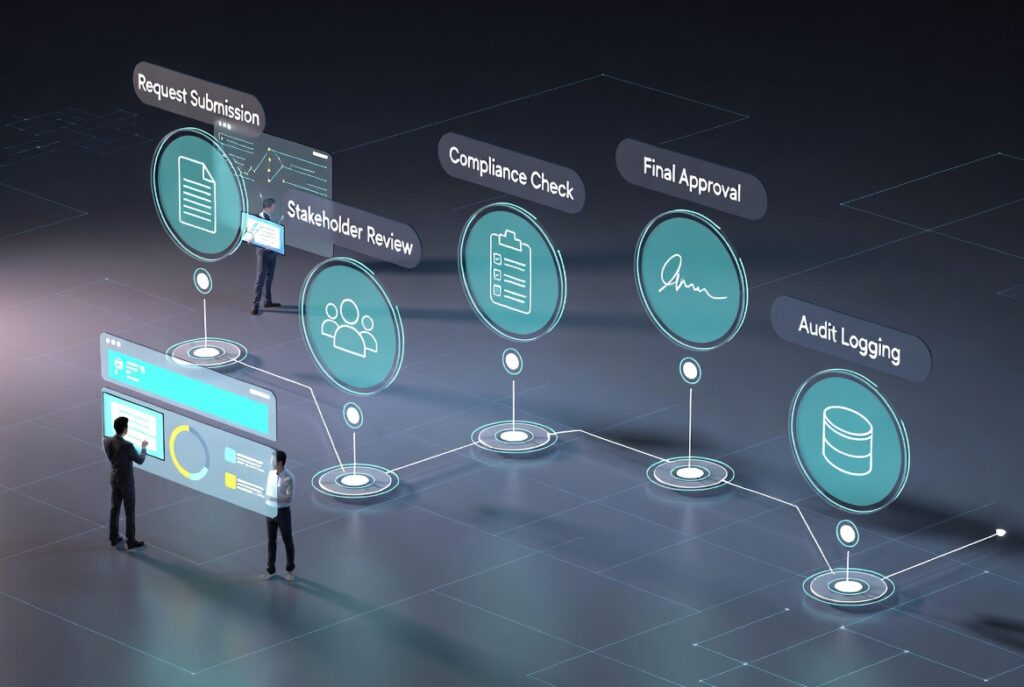
In the construction industry, time is money in the most literal sense. Every single activity on a construction site depends on one critical factor: cash flow. Whether it is paying laborers, purchasing materials, or continuing subcontracted work, everything stops when payments are delayed. Yet across the global construction ecosystem, payment delays remain one of the most persistent and costly problems. Builders, contractors, subcontractors, and even clients often find themselves stuck in a cycle of approvals, documentation gaps, and communication breakdowns that slow down entire projects. What makes this issue even more serious is that most delays are not caused by lack of work—but by inefficient payment approval systems. Understanding Construction Payment Workflow Before identifying the problems, it is important to understand how construction payments normally flow in a typical project. A standard construction payment cycle involves the following steps: This process seems simple on paper. However, in real-world construction environments, each step involves multiple stakeholders, communication delays, and verification bottlenecks. Even a small delay in one stage can cascade into a major project disruption. Why Payment Delays Happen in Construction Projects Payment delays do not happen due to a single reason. They are usually the result of multiple weak points in the system. 1. Multi-Party Approval Chains One of the biggest reasons for delays is the involvement of multiple stakeholders: Each party has its own approval timeline. If even one stakeholder delays feedback, the entire payment process is stalled. In many cases, approvals are not centralized, which leads to confusion and slow decision-making. 2. Manual and Paper-Based Processes Many construction firms still rely on: These manual systems are highly inefficient. Documents get lost, emails are missed, and tracking approval status becomes difficult. This lack of digital structure significantly increases payment turnaround time. 3. Poor Communication Between Teams Construction projects usually involve multiple teams working in different locations: Due to this separation, communication gaps are common. A delay in one message can hold an entire payment cycle. For example:A site engineer may verify work, but the approval does not reach the finance team on time. 4. Lack of Real-Time Visibility One of the most critical issues is the absence of real-time tracking systems. Stakeholders often do not know: This lack of transparency creates confusion and repeated follow-ups, further delaying the process. 5. Disputes Over Work Completion Another common issue is disagreement between parties regarding: These disputes often freeze payment until resolution, causing significant delays in project continuity. Impact of Payment Delays on Construction Projects Payment delays are not just administrative issues—they have serious consequences on project execution, cost, and reputation. 1. Project Timeline Disruptions When payments are delayed: Even a 3–7 day delay can push back project milestones significantly. 2. Increased Project Costs Delays directly increase project costs due to: What starts as a payment delay often becomes a financial burden. 3. Breakdown of Contractor-Subcontractor Relationships Cash flow is the backbone of trust in construction. When payments are delayed: This weakens the entire construction ecosystem. 4. Reduced Work Quality When workers are under financial pressure: This leads to long-term structural risks. 5. Legal and Contractual Conflicts Payment delays often escalate into: This not only delays projects but also damages business relationships. Weaknesses in Traditional Construction Payment Systems Traditional systems fail because they are not designed for modern construction complexity. 1. Fragmented Approval System Each stakeholder works independently, leading to: 2. No Central Tracking System There is no unified platform to track: 3. Heavy Dependency on Manual Follow-Ups Teams spend more time: Instead of focusing on actual project work. 4. Lack of Audit Trail Many systems do not maintain: This creates accountability issues. Industry Insight: Real-World Scenario Consider a typical construction project: During this time: This cycle repeats in many projects globally, making payment delay one of the most critical bottlenecks in construction management. Current Solutions in the Market To solve these issues, companies have introduced: While these tools improve organization, they often fail to solve the core problem:Multi-party payment verification delays Most systems still lack: Requirements of an Ideal Construction Payment System A modern solution must include: 1. Multi-Party Verification System All stakeholders should approve in a structured workflow. 2. Real-Time Tracking Every user should see: 3. Automated Workflow Routing Requests should automatically move to the next approval stage. 4. Transparent Audit Logs Every action should be recorded for accountability. 5. Milestone-Based Payment Linking Payments should be tied directly to construction progress. Future of Construction Payment Systems The future of construction finance is moving toward: These advancements aim to eliminate delays entirely by removing human bottlenecks in repetitive approval processes. Conclusion Payment delays in construction are not just administrative inefficiencies—they are a core structural issue affecting the entire industry. From project delays to increased costs and broken trust, the impact is significant and widespread. The root cause lies in fragmented, manual, and non-transparent approval systems that fail to support modern construction complexity. To solve this, the industry is gradually moving toward digital verification systems that provide: Fixing payment workflows is no longer optional—it is essential for improving construction productivity, reducing costs, and ensuring timely project delivery.
How Milestone Payments Improve Transparency Between Homeowners and Builders

Building a home is one of the most significant financial and emotional investments a person makes. Despite this, the construction process is often filled with uncertainty, miscommunication, and financial disputes. One of the primary reasons behind these issues is the lack of transparency in how payments are managed between homeowners and builders. Traditional payment models, especially those involving large upfront amounts, create an imbalance of control and increase the risk for both parties. Homeowners worry about losing money if work is delayed or abandoned, while builders fear delayed payments that can disrupt project flow. To address these challenges, milestone payments have emerged as a structured approach to managing construction finances. This method links payments directly to specific stages of project completion, creating a system where both parties are aligned around progress. While milestone payments are widely used, their effectiveness depends on how well they are implemented. This article explores how milestone payments improve transparency, where existing systems fall short, and what an ideal solution should look like. What Are Milestone Payments in Construction Milestone payments are a payment structure in which the total project cost is divided into predefined stages or milestones. Each milestone represents a specific phase of construction, and payment is released only after that phase is completed and verified. A typical process begins with both the homeowner and builder agreeing on a detailed construction plan. This plan outlines key stages such as site preparation, foundation work, structural completion, interior finishing, and final handover. Each stage is assigned a percentage of the total project cost. For example, foundation work may account for 15 percent, structural work 30 percent, and finishing 25 percent. Once a milestone is completed, it is reviewed and approved before the corresponding payment is released. This structured approach ensures that payments are directly tied to visible progress, reducing uncertainty and creating a more accountable system. Why Transparency Matters in Home Construction Projects Transparency plays a critical role in ensuring the success of any construction project. Without clear visibility into progress and financial transactions, both homeowners and builders face unnecessary risks. For homeowners, the lack of transparency can lead to concerns about where their money is going and whether the work is being done as promised. For builders, unclear expectations can result in disputes, delayed payments, and strained relationships. Construction projects typically span several months or even years, involving multiple stakeholders and significant financial commitments. In such a complex environment, even small misunderstandings can escalate into major conflicts. Transparency helps eliminate these issues by ensuring that all parties have access to accurate and timely information about project progress and payments. Common Problems in Traditional Payment Systems Traditional construction payment methods often rely on lump-sum payments or loosely defined schedules. These approaches create several challenges that affect both homeowners and builders. One of the most common problems is the requirement for large upfront payments. Homeowners are often asked to pay a significant portion of the total cost before work begins. This exposes them to financial risk if the builder fails to deliver as expected. Another issue is the lack of clear progress tracking. Without defined milestones, it becomes difficult to measure how much work has been completed relative to the amount paid. This often leads to disputes over whether a payment is justified. Poor documentation is also a major concern. Many agreements are based on verbal commitments or informal communication, which creates confusion and makes it difficult to resolve conflicts later. Additionally, the absence of accountability mechanisms allows delays and quality issues to go unchecked. How Milestone Payments Improve Transparency Milestone payments address these problems by introducing structure and clarity into the payment process. One of the key advantages is that payments are directly linked to actual work progress. This ensures that homeowners only pay for completed work, reducing financial risk and increasing confidence in the process. Another benefit is the establishment of clear expectations. By defining milestones in advance, both parties understand what needs to be achieved before a payment is released. This reduces ambiguity and minimizes the chances of disputes. Milestone payments also improve budget control. Since the total cost is divided into smaller segments, it becomes easier to track spending and identify any deviations from the plan. This level of control is particularly important for large projects where costs can quickly escalate. In addition, this system enhances accountability. Builders are motivated to complete each stage on time and meet quality standards in order to receive payment. At the same time, homeowners are encouraged to release payments promptly once milestones are achieved, ensuring a smooth workflow. Where Existing Milestone Payment Systems Fall Short Despite their advantages, many existing milestone payment systems fail to deliver the level of transparency they promise. One of the main issues is the lack of standardization. Different builders define milestones in different ways, leading to inconsistencies and confusion. Another major weakness is the absence of independent verification. In many cases, payments are released based on the builder’s claim that a milestone has been completed. Without a reliable verification process, homeowners may still face uncertainty about the quality and completeness of the work. Manual tracking methods further reduce transparency. Many projects rely on spreadsheets, emails, or messaging apps to track progress and payments. These tools are not designed for construction management and often lead to fragmented information and miscommunication. Limited transparency tools also pose a challenge. Homeowners may not have access to real-time updates or detailed reports, making it difficult to stay informed about project status. Additionally, most systems lack a structured dispute resolution mechanism, leaving both parties vulnerable in case of disagreements. Finally, many milestone payment systems still depend heavily on trust rather than process. Without built-in safeguards, the system can be manipulated, undermining its effectiveness. Strengths of Existing Solutions While there are clear gaps, it is important to recognize the strengths of existing milestone payment approaches. One of the biggest advantages is that they provide a structured alternative to lump-sum payments. This alone significantly reduces financial risk for homeowners.
Top 5 Payment Mistakes That Cost Homeowners Thousands

Managing finances during a home construction project can be challenging. Many homeowners unknowingly make mistakes that lead to overspending, delays, or even project disputes. Construction projects involve multiple stakeholders, including contractors, suppliers, and subcontractors. Payments are a critical part of this process, and any misstep can result in significant financial loss. In this guide, we explore the top five payment mistakes homeowners make, why they happen, and practical solutions to prevent them. Understanding the Current Landscape of Construction Payments Before we dive into the common mistakes, it’s important to understand how payments are usually handled in residential construction. Traditionally, homeowners rely on cash, bank transfers, or personal checks to pay contractors. Some may also use escrow services, which hold funds until project completion. Strengths of traditional methods: Weaknesses of traditional methods: With technological advancements, modern solutions such as digital payment platforms and milestone-based workflows have emerged. These tools offer better transparency, secure transactions, and real-time project tracking. However, many homeowners are still unaware of these options, leaving them vulnerable to mistakes that could cost thousands of dollars. Common Payment Mistakes Homeowners Make Mistake 1: Paying Too Early One of the most frequent errors is releasing large payments before work is completed. Homeowners often pay upfront to secure a contractor’s commitment or to ensure materials are purchased. While this may seem reasonable, it exposes them to risk. Weak points: Strong points: Solution: Mistake 2: Lack of Payment Transparency Vague invoices and informal payment agreements can create confusion. Homeowners often rely on verbal commitments or general cost estimates. Without clarity, overbilling or hidden charges can occur. Weak points: Strong points: Solution: Mistake 3: Using Unsafe Payment Channels Paying through cash, personal checks, or unverified bank transfers may seem convenient but carries significant risks. Transactions without secure records are difficult to track and recover if something goes wrong. Weak points: Strong points: Solution: Mistake 4: Failing to Track Work Progre Many homeowners assume the project is progressing as planned and release payments without verification. This mistake can lead to paying for incomplete or substandard work. Weak points: Strong points: Solution: Mistake 5: Poor Communication and Undefined Milestones Miscommunication between homeowners and contractors is a common problem. Projects may start without clear contracts or defined milestones, leading to confusion about costs, timelines, and quality expectations. Weak points: Strong points: Solution: Weak Points in the Current Market Solutions Even modern payment solutions have limitations. Understanding these helps homeowners make informed decisions: Despite these weaknesses, awareness and adoption of digital payment systems are increasing. Homeowners can now combine security with convenience, reducing risks significantly. Strong Points in Current Market Solutions Modern payment platforms and digital workflows bring several advantages: These solutions empower homeowners to maintain control over their finances while keeping projects on schedule. How Modern Payment Workflows Solve These Issues By combining technology with structured payment planning, homeowners can avoid costly mistakes: Example: Imagine a homeowner building a two-story house. Using a digital workflow, they approve payments only after each phase, such as foundation, framing, plumbing, and finishing, is completed and verified. This approach prevents premature payments and ensures that the project stays on schedule. FAQs for Homeowners Q1: What is a milestone payment plan? A milestone payment plan breaks down the total project cost into stages. Payments are made only after completing each stage, ensuring work is done before funds are released. Q2: How can homeowners verify contractor work digitally? Through project dashboards, homeowners can receive photo/video updates, inspection reports, and real-time progress tracking before approving payments. Q3: Are digital payment platforms safe for large projects? Yes. Secure platforms use encryption, authentication, and audit trails to protect all transactions and reduce fraud risks. Q4: Can using digital workflows save money in the long run? Absolutely. By avoiding overpayments, fraud, and delays, homeowners save thousands of dollars and maintain project quality. Conclusion Homeowners often face financial losses due to common payment mistakes such as paying too early, lack of transparency, unsafe payment channels, poor tracking, and miscommunication. While traditional methods have some advantages, they often leave homeowners vulnerable to fraud, delays, and disputes. Modern solutions like milestone-based payments, digital dashboards, and secure payment platforms address these weaknesses while maintaining the benefits of transparency, convenience, and control. Homeowners who adopt these workflows can protect their funds, ensure project quality, and avoid costly mistakes. Platforms like Paylocker provide a practical way to implement these modern payment solutions, combining security, transparency, and real-time control to make every payment safe and aligned with project progress. By understanding these mistakes and using structured payment systems, homeowners can complete projects confidently without financial stress.
Secure Payment Systems in Construction: A Complete Guide for Homeowners

Building or renovating a home is one of the most significant investments a homeowner can make. Alongside managing design, materials, and timelines, financial management plays a crucial role in the success of any construction project. Unfortunately, many homeowners face challenges related to payments, disputes, and potential fraud. A secure payment system tailored to construction can help homeowners maintain control, ensure quality, and protect their investment. This guide explores common pain points, effective solutions, and best practices for secure payment management in construction projects, equipping homeowners with knowledge to make informed decisions The construction industry is complex. A typical home-building project involves multiple contractors, subcontractors, suppliers, and consultants. Each party contributes to the completion of the project, making payments a critical area where mistakes or mismanagement can have significant consequences. Homeowners often face risks such as paying for incomplete work, encountering fraudulent invoices, or dealing with delayed projects due to unclear financial management. These challenges not only affect budgets but can also delay completion and strain relationships with contractors. A structured, secure, and transparent payment system is essential for mitigating these risks. Modern solutions, including digital platforms and milestone-based payment structures, provide homeowners with a clear framework for managing finances efficiently. Common Pain Points for Homeowners Understanding the challenges homeowners face is the first step in solving them. Here are the most common pain points associated with construction payments: Paying for Incomplete or Poor-Quality Work Homeowners often release payments before verifying that work is complete. This can lead to situations where funds are spent on work that is either substandard or unfinished, causing frustration and financial loss. Payment Fraud and Mismanagement Construction fraud can occur in many forms, including inflated invoices, ghost workers, or misdirected funds. Without a secure and traceable payment system, homeowners are vulnerable to significant financial risks. Lack of Transparency Tracking how money is spent across multiple contractors is challenging. Homeowners may have limited visibility into expenses, making it difficult to determine whether funds are being used appropriately. Disputes with Contractors Disagreements over payment amounts, timelines, or work quality are common. Miscommunication and lack of clear documentation often escalate minor misunderstandings into major disputes. Difficulty Managing Multiple Payments and Documents Manual tracking of contracts, invoices, and receipts is time-consuming and error-prone. This can lead to missed payments, duplicate payments, or lost documents, creating unnecessary stress. Project Delays Due to Payment Issues Contractors may slow or halt work if payments are delayed or uncertain. Delayed funds can directly impact project timelines, leading to longer completion periods and increased costs. Why Traditional Payment Methods Fail Many homeowners rely on traditional payment methods such as cash, cheques, or direct bank transfers. While these methods are common, they come with notable limitations: These methods often lack accountability, traceability, and security. Homeowners require more reliable solutions to manage construction payments effectively. Solutions to Homeowners’ Pain Points Modern technology and structured financial management approaches offer solutions to the challenges homeowners face. Milestone-Based Payment Systems Milestone-based payments tie financial releases to specific stages of construction, such as: How It Works: Payments are only released once a milestone is verified by the homeowner, project manager, or third-party inspector. Benefits: Digital Payment Platforms Digital platforms integrate multiple functions to manage payments efficiently: Benefits: Centralized Documentation and Tracking Keeping all contracts, invoices, and receipts in one centralized system prevents errors and provides legal proof if disputes arise. Benefits: Clear Contracts and Communication Explicitly outlining milestones, payment schedules, and verification procedures in written contracts prevents misunderstandings. Benefits: How Secure Payment Systems Solve Pain Points A structured system addresses each homeowner pain point effectively. Here’s a practical breakdown: Pain Point Solution Result Paying for incomplete work Milestone-based payments Ensures verified work before payment Payment fraud Secure digital platform Traceable, protected transactions Lack of transparency Real-time dashboards Clear spending and progress view Disputes with contractors Verified milestones + contracts Reduces conflicts, provides legal proof Managing multiple payments/documents Centralized platform Saves time, prevents errors Project delays Automated milestone payments Ensures timely project completion Explanation: By combining milestones, digital platforms, and centralized documentation, homeowners can maintain full control of their funds, prevent fraud, and encourage contractor accountability. Tips for Homeowners Implementing a secure payment system involves more than choosing a platform. Homeowners should follow these practices: These steps create a transparent, accountable, and secure payment environment. Frequently Asked Questions (FAQs) Q1: Can I use my bank account instead of a digital platform? While possible, bank transfers lack tracking and verification, making digital platforms safer and more reliable. Q2: How much deposit should I pay? Typically, 10–20% is reasonable, with remaining payments linked to verified milestones. Q3: Are milestone payments safe for small projects? Yes, even small projects benefit from structured payments to prevent disputes and ensure accountability. Q4: What if a contractor disputes a milestone? A well-documented contract and digital records provide legal proof to resolve disputes efficiently. Q5: How do I track multiple contractors? Digital dashboards consolidate all contractors’ invoices and project progress, making tracking simple and efficient. Conclusion Managing construction payments securely is essential for every homeowner. Traditional methods like cash or bank transfers are insufficient to ensure accountability and prevent fraud. A combination of milestone-based payments, digital platforms, centralized documentation, and clear contracts allows homeowners to maintain control, reduce risk, and keep projects on track. Modern tools such as Paylocker provide a comprehensive solution, offering real-time tracking, secure transactions, and automated documentation. By adopting these methods, homeowners can confidently oversee construction projects, avoid disputes, and focus on achieving their dream home without financial stress. Secure payment management is not just about protecting funds; it’s about building trust, transparency, and efficiency in every stage of the construction process.
Builder vs Homeowner Payment Disputes: Causes & Smart Solutions
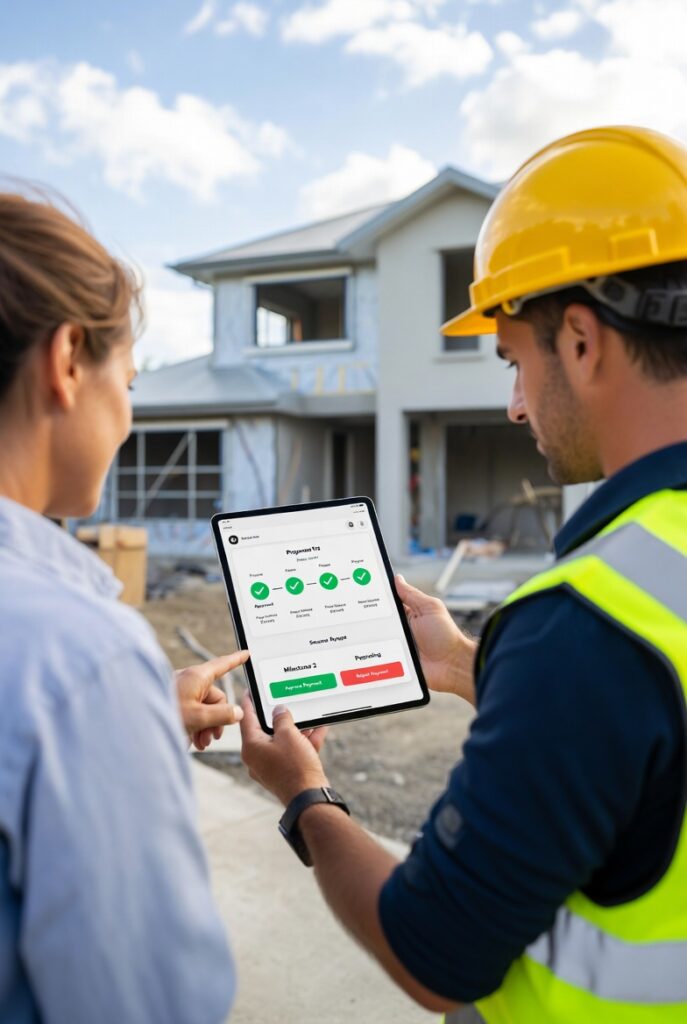
Builder vs Homeowner Payment Disputes: Causes & Smart Solutions Home building is one of life’s biggest undertakings for most people. Whether you’re building a new house or renovating an existing one, the process is exciting — until disagreements begin. Among the most common causes of conflict between builders and homeowners are payment disputes. These disputes can delay projects, strain relationships, and cause financial stress on both sides. Understanding why these disputes happen, how to prevent them, and how to resolve them can save both builders and homeowners a lot of trouble. This article breaks down everything you need to know in simple language and offers practical solutions you can use in your own projects. Why Payment Disputes Happen in Construction Projects Construction projects are complex by nature. There are schedules, materials, labour, design changes, regulations, and — most importantly — money. When money and expectations don’t align, disputes can follow. Here are the most common reasons payment disputes happen: 1. Unclear Agreements and Contract Terms A poorly written or vague contract is one of the biggest causes of payment disputes. When a contract doesn’t clearly define: then both sides are left guessing what they agreed to. According to industry experts, ambiguous contracts often lead to disagreements during construction because interpretations differ. For example, a contract that says “payments will be made as work progresses” is too vague — what does “as work progresses” mean? Without clear stages, disputes over payment timing and amounts quickly arise. 2. Disagreements Over Scope of Work Another common issue is “scope creep.” This happens when extra work gets added to the project without proper documentation or approval. Builders may expect more payment for additional tasks, while homeowners may feel these tasks should be included in the original deal. When extra work isn’t formally agreed in writing, it can lead to serious conflict once bills increase or deadlines stretch. 3. Project Delays and Changing Schedules Construction projects rarely go exactly as planned. Delays can occur due to weather, supply issues, unexpected site conditions, or scheduling conflicts. When delays happen: Delays often trigger disputes because each party blames the other for lost time or increased cost. 4. Disagreements Over Quality of Work Builders and homeowners can disagree on whether the work meets quality expectations. Homeowners may feel certain tasks weren’t done properly or don’t meet the agreed standard, while builders may believe they have fulfilled their obligation. When these views differ, payments can be withheld, leading to disputes. 5. Lack of Communication Poor communication is a silent but powerful driver of disputes. When builders and homeowners don’t talk regularly, misunderstandings grow. Examples include: Once assumptions replace clear communication, disputes begin. 6. Financial Mismanagement or Cash Flow Problems Sometimes disputes arise simply because one side runs into financial trouble. If a homeowner delays payments to manage cash flow, or if a builder overspends and can’t pay workers and suppliers on time, conflicts over money arise. This issue can cause domino effects — if a builder isn’t paid, subcontractors aren’t paid, and the whole project can grind to a halt. Understanding the Common Types of Payment Disputes These general causes can lead to specific payment problems like: Non‑Payment or Late Payment Builders may finish part of the project and submit a bill, but homeowners delay payment or refuse to pay. This can stall further work and create resentment on both sides. Partial Payments or Withheld Sums Homeowners might pay only part of what the builder requests because they’re unhappy with the progress or quality. Builders may see this as unfair, especially if they have outstanding bills to cover. Disputes on Final Payment The last payment is often the most contested. Builders expect it once the house is complete, while homeowners may argue that certain parts are unfinished or below standard. How Payment Disputes Affect Projects Payment disputes don’t just delay progress. They affect both parties in deeper ways: For Homeowners: For Builders: In short, payment disputes can make what was supposed to be a straightforward construction project into a long, costly conflict. Proactive Steps to Prevent Payment Disputes The best way to deal with payment disputes is to prevent them in the first place. Here are practical steps both sides can take: 1. Create a Clear and Detailed Contract A contract should outline: Clear language leaves less room for interpretation later. 2. Define Payment Schedules Clearly Instead of vague statements, specify exactly when payments will be made. For example: This helps avoid disputes over when and how much money is due. 3. Communicate Regularly Regular updates keep both sides informed. Builders should share progress reports and photos, while homeowners should ask questions and clarify expectations early. Good communication reduces assumptions and misunderstandings. 4. Document Changes and Extra Work If the homeowner changes the plan midway, that change should be written down, priced, and agreed to by both parties. Without documentation of changes, disputes over extra costs are almost certain. 5. Use Third‑Party Verification (Optional but Helpful) In some cases, a neutral third party can review progress or quality before payment is made. This helps reassure both sides. 6. Keep Payment and Work Records Builders should keep invoices, receipts, and work logs. Homeowners should keep copies of all payments made and notes on progress. Documentation helps resolve disagreements when they occur. Solutions When Disputes Already Exist Even with prevention, disputes sometimes happen. Here are constructive ways to resolve them: 1. Review the Agreement Together Go back to the contract, payment schedule, and documentation. Often disputes stem from misunderstandings that clear reference to the written agreement can fix. 2. Communicate Calmly and Early Don’t let frustration build. Discuss concerns openly and early before they become bigger issues. 3. Mediation or Facilitation If direct communication doesn’t help, inviting a neutral third party — mediator — to help both sides find common ground can be effective. This approach is faster and less costly than legal battles. 4. Seek Professional Advice When disputes remain unresolved, a construction lawyer or qualified advisor can help
Worried About Paying Your Builder Upfront? Here’s a Safer Alternative

Worried About Paying Your Builder Upfront? Here’s a Safer Alternative Hiring a builder for your home renovation or construction project can be exciting—but the financial aspect is often stressful. Many homeowners hesitate to pay large sums upfront, fearing incomplete work, poor quality, or even fraud. Unfortunately, stories of homeowners losing money to untrustworthy contractors are common, and these experiences make people cautious about trusting builders with their hard-earned funds. The good news is that there are safer alternatives to paying your builder upfront. Structured payment methods, verified contractors, milestone-based releases, and secure payment platforms can help you protect your money while ensuring that the project moves forward smoothly. This guide will provide a complete overview of how to pay your builder safely, highlighting the main challenges homeowners face and practical solutions to overcome them. Why Paying Builders Upfront Can Be Risky Paying a builder before work begins is often seen as a convenient method, but it comes with significant risks: 1. Risk of Losing Money Paying upfront can leave homeowners vulnerable if the builder fails to complete the project. Money could be lost entirely, leaving you with unfinished work and little recourse. 2. Incomplete or Poor Quality Work Builders may start the project but abandon it midway, cut corners, or deliver work below expected standards. Without structured oversight, correcting mistakes can be expensive and time-consuming. 3. Legal and Contractual Limitations Many homeowners rely on informal agreements or unclear contracts, which can make legal recourse difficult in case of disputes. Without proper documentation, recovering funds can be challenging. 4. Stress and Anxiety Uncertainty about payments and project progress can lead to constant worry, sleepless nights, and frustration. Managing construction projects without protection often causes unnecessary stress. Safer Alternatives to Upfront Payments Fortunately, there are several methods to safeguard your money while ensuring the builder stays committed. 1. Escrow Services Escrow services act as a neutral intermediary to hold funds until specific project milestones are completed. Instead of giving money directly to the builder, you deposit it in a secure account managed by a trusted platform. How it works: This system protects homeowners from financial loss while keeping builders motivated to deliver quality work. 2. Milestone-Based Payments Breaking the project into phases with corresponding payments ensures that funds are only released when work meets agreed standards. Common milestones include: By tying payments to tangible progress, homeowners avoid paying large sums upfront and can monitor project quality continuously. 3. Verified Contractors Trustworthy builders are essential for any construction project. Platforms that verify contractors based on licenses, insurance, previous projects, and reviews offer an added layer of confidence. Working with verified professionals reduces the likelihood of fraud or substandard work. 4. Digital Tools and Dashboards Modern payment protection platforms provide online dashboards that track work progress and payment status. Homeowners can view photos, documents, and updates in real-time. This transparency reduces miscommunication, allows prompt feedback, and ensures both parties stay on the same page. 5. Clear Contracts and Dispute Resolution A well-structured contract defines milestones, payment terms, quality standards, and dispute procedures. Platforms that incorporate arbitration or mediation support make resolving conflicts faster and more cost-effective than traditional legal methods. Benefits of Using Secure Payment Methods Switching from upfront payments to structured systems offers multiple advantages: Challenges of Secure Payment Systems While these systems are effective, there are some limitations: These challenges can be overcome by selecting platforms with transparent fees, providing guidance to contractors, and maintaining organized records of project milestones. Step-by-Step Guide to Paying Your Builder Safely Following this process ensures safety, transparency, and accountability throughout the construction project. FAQs Can I negotiate payment terms with my builder? Yes, milestone-based payments can be tailored to the project. Clear communication ensures both parties agree on the terms. What if the builder refuses structured payments? Look for platforms or contractors that enforce milestone-based systems. Educate your builder on how it protects both sides. Are there extra fees? Some platforms charge fees, but they are minor compared to the potential cost of project disputes. How do I verify the work quality? Use milestone photos, third-party inspections, and checklists provided by the platform. Can I cancel or request a refund? Platform policies vary. Review terms before funding the escrow account to ensure you understand refund rights. Conclusion Paying a builder upfront carries risks of financial loss, poor workmanship, and stress. By adopting milestone-based payments, escrow accounts, verified contractors, online dashboards, and structured dispute resolution, homeowners can secure their investments, maintain oversight, and reduce uncertainty. These alternatives provide peace of mind, financial safety, and transparency while encouraging professionalism and accountability from contractors. With proper planning and tools, you can confidently manage your construction project and protect both your money and your home.
How to Protect Your Construction Funds from Fraud and Delays

How to Protect Your Construction Funds from Fraud and Delays Building or renovating a home is one of the biggest financial commitments most people will ever make. Yet, despite careful planning, many homeowners and even builders face a common challenge: mismanaged funds, unexpected delays, and payment disputes. From upfront payments that disappear into unfinished work to disagreements over project milestones, construction finance is often where things go wrong. The problem isn’t just bad luck—it’s usually the lack of a secure and structured payment system. In this guide, you’ll learn: Why Construction Funds Are at Risk Construction projects involve multiple parties—homeowners, contractors, subcontractors, and suppliers. With so many moving parts, financial mismanagement becomes a real risk. Here are the main reasons why funds often become vulnerable: 1. Lack of Payment Control Many homeowners release funds without a structured system. Once the money is transferred, control is lost, making it difficult to ensure it is used correctly. 2. Large Upfront Payments Builders often request deposits before starting work. While this is standard practice, it creates risk if: 3. No Milestone Tracking Without linking payments to progress, there is no accountability. Payments should ideally be tied to completed stages, not promises. 4. Miscommunication Between Parties Unclear agreements about timelines, costs, and deliverables can lead to disputes—especially when payments are involved. Common Payment Methods in Construction (Pros & Cons) Understanding how current systems work will help you see where problems arise. Direct Payments to Builders How it works: The homeowner pays the builder directly—either as a lump sum or in partial advance payments. Strengths: Weaknesses: This is one of the most common causes of financial loss in construction. Bank Transfers / Installment Payments How it works: Payments are made through bank transfers in phases. Strengths: Weaknesses: While safer than cash, this method still lacks project-level protection. Traditional Contracts How it works: A legal contract outlines payment terms, timelines, and responsibilities. Strengths: Weaknesses: Contracts are important—but they are not a payment control system. Generic Escrow Systems How it works: A third party holds funds and releases them when conditions are met. Strengths: Weaknesses: Escrow improves safety but often lacks construction-specific functionality. Key Problems That Still Exist Even with these methods, several critical issues remain unresolved: ❌ No Real-Time Verification Payments are often released without confirming whether work has actually been completed. Lack of Transparency Homeowners don’t always know how funds are being used, and builders may face delays in receiving payments. Payment Delays Manual processes or disputes can slow down payments, affecting project timelines. Weak Dispute Handling When conflicts arise, there is no efficient system to resolve them quickly. Not Built for Construction Most systems are generic financial tools—not tailored for the unique needs of construction projects. What an Ideal Construction Payment System Should Have To truly protect construction funds, a modern system must include: Milestone-Based Payments Funds should only be released when specific stages of work are completed. Transparent Tracking Both parties should be able to see: Neutral Third-Party Control A secure system should hold funds until conditions are met. Dispute Prevention Mechanism Clear processes should reduce the chances of conflict before they arise. Simplicity and Accessibility The system must be easy to use for both homeowners and builders. A Smarter Approach to Construction Payments Instead of relying on outdated methods, modern construction projects are moving toward structured payment systems designed specifically for the industry. These systems work by: This approach ensures: Comparison of Payment Methods Feature Traditional Methods Generic Escrow Modern Structured Systems Fund Security Low Medium High Milestone Payments No Limited Yes Transparency Low Medium High Dispute Prevention Weak Average Strong Built for Construction No No Yes Real-World Scenario Traditional Approach A homeowner pays 40% upfront to a contractor. Structured Payment Approach The same project uses milestone-based payments: Result: Benefits of Using a Secure Payment System Financial Protection Your funds are not at risk of misuse or fraud. Improved Trust Both homeowners and builders feel secure in the process. Faster Project Completion Timely payments ensure steady progress. Full Transparency Every transaction and milestone is visible. Reduced Disputes Clear structure prevents misunderstandings. Frequently Asked Questions (FAQs) 1. How can I protect my construction funds? Use a system that releases payments based on completed milestones instead of paying upfront. 2. Are contracts enough to prevent fraud? No. Contracts provide legal support but do not control how or when payments are made. 3. What is the safest way to pay a builder? A structured payment system with milestone-based releases and third-party control is the safest approach. 4. Why do construction projects face payment disputes? Most disputes happen بسبب unclear agreements, lack of transparency, and payments made without verifying progress. 5. Can payment systems really reduce delays? Yes. When payments are linked to milestones, builders are motivated to complete work on time. 6. Is escrow enough for construction projects? Escrow helps, but generic systems often lack flexibility and features needed specifically for construction. 7. What should I check before releasing any payment? Always ensure: Conclusion Construction projects don’t fail because of poor planning alone—they often fail due to poor financial management and unsafe payment practices. Traditional methods like direct payments, bank transfers, and contracts may offer convenience, but they do not provide real protection. Even escrow systems, while helpful, often fall short when it comes to construction-specific needs. The future lies in structured, milestone-based payment systems that bring transparency, security, and trust into the process. By choosing the right approach, you can: In construction, it’s not just about building structures—it’s about building trust through secure financial systems.